History of CostumesNo. 9653 · The 2026 edition
Halloween 2012: Top Costumes, History, Myths, More
Uncover the origins, eerie legends, and the most popular costumes of Halloween 2012 in this comprehensive guide.
Our own summary of the original — the full post and photos live at nationalgeographic.com.

This article delves into the history of Halloween, tracing its Celtic roots and evolution, while debunking common myths. It also highlights the top costume trends of 2012, offering a snapshot of that year's festive culture.
About this
A National Geographic roundup of Halloween 2012 that pairs the holiday's ancient origins with that year's spending figures, most popular costumes, pumpkin records, and persistent urban legends. It traces Halloween from the Celtic festival Samhain through Christian re-branding to its American arrival, then surveys beliefs about ghosts, witchcraft, and tainted candy.
The list
-
01
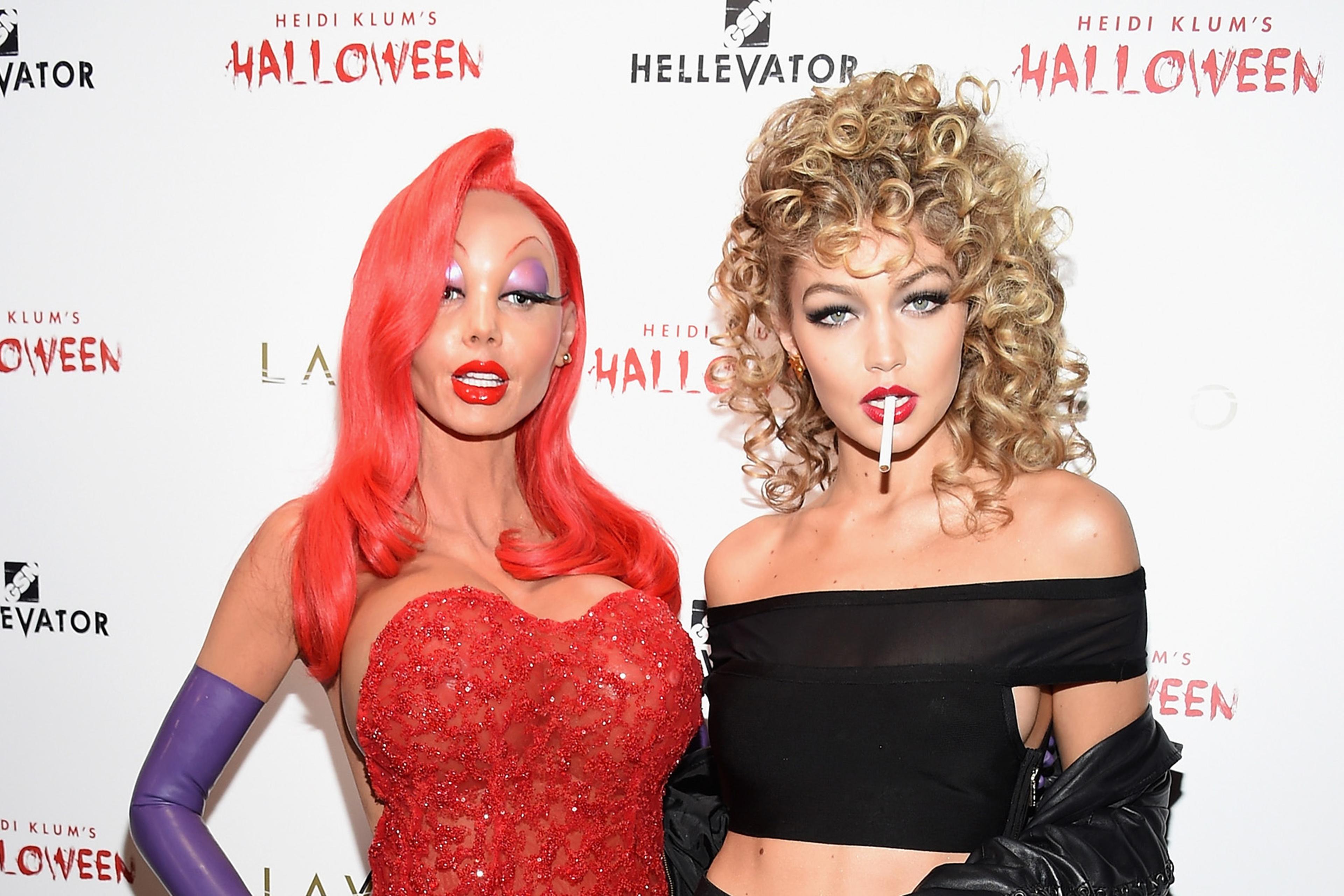
Witch 2012
Adults' most popular costume, 2012
-
02
Vampire 2012
Adults' costume list, 2012
-
03
Pirate 2012
Adults' costume list, 2012
-
04
Batman character 2012
Adults' costume list, 2012
-
05
Zombie 2012
Adults' costume list, 2012
-
06
Vixen 2012
Adults' costume list, 2012
-
07
Princess 2012
Adults' costume list, 2012
-
08
Ghost 2012
Tied at eighth among adults, 2012
-
08
Nurse 2012
Tied at eighth among adults, 2012
-
10
Cat 2012
Adults' costume list, 2012
-
01
Princess 2010
Children's most popular costume list
-
02
Batman 2010
Children's costume list
-
03
Spider-Man 2010
Children's costume list
-
04
Witch 2010
Children's costume list
-
05
Disney Princess 2010
Children's costume list
-
06
Action/superhero 2010
Children's costume list
-
07
Pirate 2010
Children's costume list
-
08
Vampire 2010
Children's costume list
-
09
Zombie 2010
Children's costume list
-
10
Ghost 2010
Children's costume list
Facts from the original
- Halloween's origins date back more than 2,000 years.
- Europe's Celtic peoples celebrated their New Year's Day, Samhain, on what we consider November 1.
- On Samhain eve spirits were thought to walk the Earth traveling to the afterlife; fairies and demons were also abroad.
- Celts often wore costumes, probably animal skins, to confuse spirits and avoid possession, according to the American Folklife Center.
- By wearing masks or blackening faces, Celts are thought to have impersonated dead ancestors.
- Young men may have dressed as women and vice versa, marking a temporary breakdown of social divisions.
- Costumed Celts went house to house doing silly acts for food and drink, an early trick-or-treating form.
- An earlier custom of leaving food and drink outdoors as offerings to supernatural beings may have inspired it.
- In the seventh century Pope Boniface IV decreed November 1 All Saints' Day, or All Hallows' Day.
- The night before Samhain was observed with bonfires, costumes, and parades as All Hallows' Eve, later Halloween.
- European immigrants brought Halloween to the United States; it gathered steam in the 1800s with Irish-American immigration.
- Anoka, Minnesota, may have the United States' oldest official Halloween celebration, staging a parade and bonfire from 1920.
- Anoka historians say townsfolk wanted to curb pranks that loosed cows on Main Street and upended outhouses.
- A record-breaking 170 million people planned to celebrate Halloween in 2012, the highest in the NRF's ten years of surveying.
- Seven in 10 Americans, or 71.5 percent, planned to celebrate, up from 68.6 percent last year.
- The average person planned to spend $79.82 on decorations, costumes, and candy, up from $72.31.
- Total holiday expenditures should reach $8 billion, up from $6.86 billion.
- Costumes take the biggest share at $28.65 per person, followed closely by candy and decorations.
- Per-person spending figures: costumes $28.65, candy $23.27, decorations $23.56, greeting cards $4.34.
- About 45 percent of Americans planned to dress up, a 2 percent bump from 2011.
- About one-third of costumed celebrants found ideas online: Facebook 15.2 percent, Pinterest 7.1 percent.
- Nearly one in ten celebrants take costume cues from current events, so expect Obama and Romney look-alikes.
- Six million U.S. adults planned witch garb and another 3.2 million planned vampire costumes.
- Most costumed U.S. pets appear as either pumpkins or devils.
- Americans give about 20 million Halloween greeting cards a year, according to Hallmark Cards' website.
- The first Halloween cards detectable in the U.S. were produced in 1908, per Hallmark's Deidre Parks.
- There are about 36 million potential trick-or-treaters, children aged 5 to 13, per the U.S. Census Bureau.
- In 2009 the average American consumed 24.3 pounds (11 kilograms) of candy, much during Halloween season.
- Illinois produces most of the United States' pumpkins, some 520 million pounds (236 million kilograms) in 2011.
- California, Pennsylvania, and Ohio each produced at least a hundred million pounds (45 million kilograms) in 2011.
- Major pumpkin states together grew over a billion pounds (454 million kilograms) in 2011, worth about $113 million.
- In October 2012 the world's heaviest pumpkin was crowned at the Topsfield Fair in Massachusetts.
- Ron Wallace of Greene, Rhode Island presented a 2,009-pound (911-kilogram) pumpkin, not yet sanctioned for a Guinness record.
- About 90 percent of a pumpkin's weight is water.
- A growing champion pumpkin can add 40 pounds (18 kilograms) a day and reach roughly the size of a Volkswagen Beetle.
- More than a third of Americans say they believe in ghosts, per an AP-Ipsos poll before Halloween 2007.
- Twenty-three percent claimed to have seen a ghost or sensed one's presence.
- About one in five people believe spells or witchcraft are real.
- Satanic cults, far more common in fiction than fact, have been said to sacrifice black cats on Halloween.
- Experts say there is little evidence for such fears; the few isolated abused-black-cat incidents involved disturbed, often adolescent, loners.
- Candy tainted by poisons, needles, or razor blades is another Halloween legend.
- Sociologist Joel Best said dangerous-candy rumors may be manifestations of fears and anxieties about the future.
- Best wrote he could find no substantiated report of a child killed or seriously injured by a contaminated trick-or-treat treat.
- Hurricane Sandy, dubbed Frankenstorm, threatened Halloween 2012 in the U.S. Northeast.
- Sandy was unlikely to affect Halloween sales since most people had already bought holiday goods, said the NRF's Kathy Grannis.
From the original
This National Geographic roundup covers Halloween 2012 from two angles: the holiday's long history and its modern statistics. Halloween's roots reach back more than 2,000 years to Samhain, the Celtic New Year celebrated on what is now November 1. On Samhain eve, spirits were believed to roam the Earth en route to the afterlife, along with fairies and demons. Celts wore costumes, likely animal skins, to confuse spirits and avoid possession, and some blackened their faces or wore masks to impersonate dead ancestors. Young men sometimes dressed as women and vice versa, briefly breaking social divisions. Costumed Celts are thought to have gone door to door performing silly acts for food and drink, an early form of trick-or-treating. Christian leaders later co-opted the pagan holiday: in the seventh century Pope Boniface IV decreed November 1 All Saints' Day, and the night before became All Hallows' Eve. European immigrants, especially Irish Americans in the 1800s, brought Halloween to the United States; Anoka, Minnesota, began staging a parade and bonfire in 1920 to curb pranks. For 2012, a record 170 million Americans planned to celebrate, spending an average $79.82 and about $8 billion total. The page also lists top adult and children's costumes, pumpkin harvest records, and debunks candy-tampering and cat-sacrifice legends.
More photos


Photos hosted by nationalgeographic.com.