Horror ClassicsNo. 8447 · The 2026 edition
'Halloween' Theme: What Makes the Music so Scary?
Ever wondered why the soundtrack to 'Halloween' sends chills down your spine? Let's dive into the eerie melodies and discover the secrets behind its haunting sound.
Our own summary of the original — the full post and photos live at online.berklee.edu.

The iconic 'Halloween' theme is a masterclass in creating fear through music. Composed by John Carpenter, the piece relies on a simple yet effective five-note piano riff that repeats throughout the film. This minimalist approach builds tension and unease, making it one of the most recognizable and chilling scores in horror history. Carpenter's use of synthesizers adds a cold, mechanical edge, enhancing the unsettling atmosphere. The relentless rhythm mirrors the unstoppable nature of the film's antagonist, creating a sense of dread that lingers long after the credits roll.
About this
A Berklee Online Take Note feature (excerpted from the course Synthesis, Sampling, and Sound Design in Film Scoring) that dissects the score of John Carpenter's 1978 horror film Halloween and explains why it is so frightening. It covers the low-budget production circumstances, the 5/4 time signature and syncopated accents, the tritone and minor-6th intervals, and how the theme is deployed in specific scenes. It also analyzes the three-note 'Michael Kills Judith' synth cue and the strategic use of silence.
The list
-
01
Facts from the original
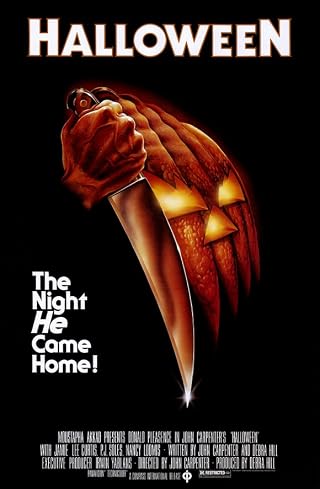
- The 1978 film Halloween was revolutionary partly because director John Carpenter also composed the score, using early synth pads and stabs to create one of the creepiest soundtracks.
- The late 1970s were a pivotal time for electronic music in soundtracks, and such music had previously been the domain of science fiction before Carpenter found it suited horror.
- Halloween was a low-budget film costing around $300,000, with no funds to pay a film composer or an orchestra.
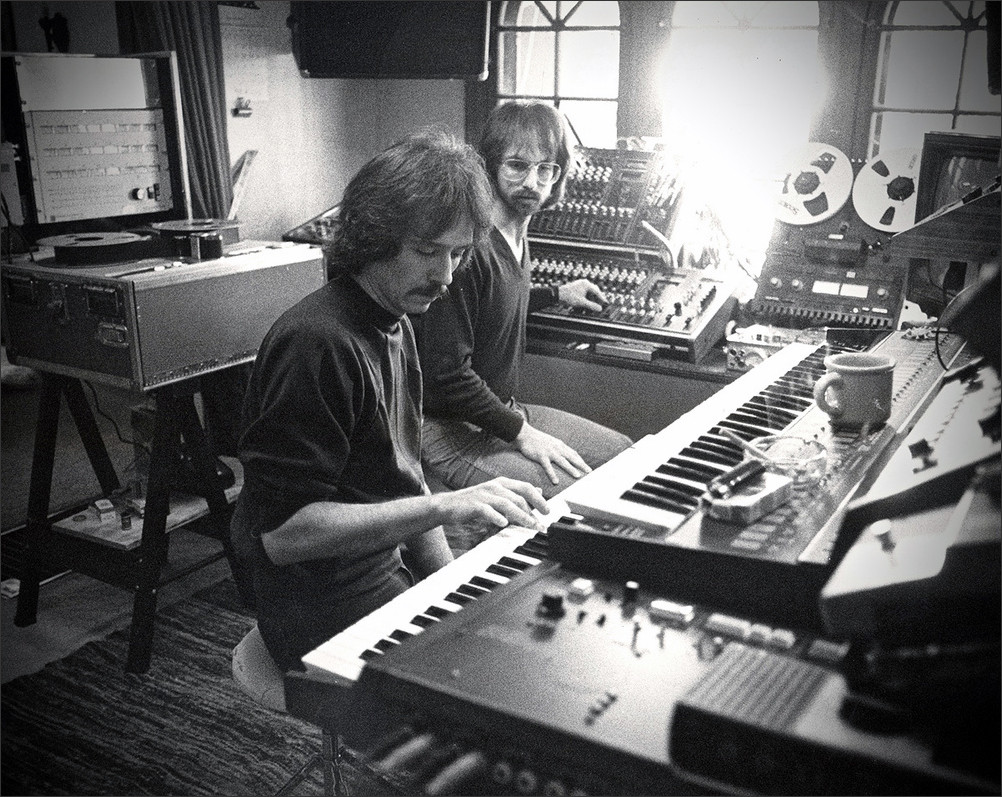
- Carpenter had studied music as a kid and played in bands before booking an LA studio and connecting with Dan Wyman and later engineer Alan Howarth to realize the soundtrack with synthesizers.
- The music had to be recorded without synchronizing to picture because that technology did not yet exist; they recorded to a click and a stopwatch and matched it later on 35 mm mag stock.
- Carpenter says the script was written in approximately 10 days by Debra Hill and himself.
- Carpenter screened the final cut without sound effects or music for a young 20th Century Fox executive who was not scared at all, prompting him to become determined to 'save it with the music.'
- Carpenter had previously composed and performed scores for his first two features, Dark Star and Assault on Precinct 13, as well as many student films, and called himself the fastest and cheapest he could get.
- Carpenter's biggest influences as a composer were Ennio Morricone and Bernard Herrmann, the latter best known for Psycho, the film that inspired Halloween.
- The rhythm of the Halloween main title theme was inspired by a bongo exercise his father taught him in 1961, the beating out of 5/4 time.
- Carpenter writes that he judges a movie emotionally when he sees an interlock screening of picture with music, when a new voice is added to the raw footage and the film takes on its final style.
- The main theme is very simple yet memorable, with haunting dissonance and relentless drive.
- The piece is in 5/4 time; syncopation is created with accents grouped as 3, 3, 2, and 2, with the pace set by groups of three then suddenly changed to groups of two, creating unsteadiness.
- A piano plays the 10-note melody in eighth notes.
- The C# to F# tritone repeats three times, then the C# raises a minor 2nd to D and returns to F#, creating a minor 6th.
- The entire melody descends one half step, C to F (tritone), creating a feeling of falling and leaving the original key.
- The tritones and minor 6ths descending by a minor 2nd create dissonance and tension inherent to the intervals.
- Whole notes (playing every 10 notes) in the low brass and layered electronic strings play the tonic, giving impending doom and slight grounding.
- Underneath the melody is a steady pulsing electronic rhythmic percussive sound, almost like a foot keeping time, played in unrelenting sixteenth notes.
- In the scene where a car approaches and drives by the girls, Laurie (Jamie Lee Curtis) notices it and the music pulse matches the speed of Michael Myers's driveby; the music surges in volume when he stops and fades as the car passes.
- The tick-tock electronic percussive sound in relentless sixteenth notes suggests Michael's unrelenting drive to kill, making the scene frightening even without gore.
- The three-note synth melody is the 'Michael Kills Judith' cue, establishing that Michael has already killed Laurie's friend.
- The synth lead sound is made of a triangle wave with dissonant minor 2nd layers, and a wavering or pulsing like vibrato keeps time with Michael's relentless mission.
- Just after the stinger, a piano enters playing descending minor 2nds in steady eighth notes, accompanied by a synth pad that descends in scale with the piano.
- The music takes the audience through Michael hunting Laurie through the house until she is temporarily safe in the house across the street with the kids.
- The three-note synth motif referencing Judith's murder recurs, making the audience fear Laurie will meet the same fate.
- When Michael attempts to stab Laurie, the music dies out; the silence at the most intense moment leaves the audience unsettled.
- The music begins again when we realize Laurie is still alive, with a simple, steady single-note piano rhythm as Michael continues to move toward her.
- Carpenter's courage to keep the score simple is what makes him a master of horror music.
- Many score sounds in Halloween came from synthesizers but emulated traditional instruments such as piano, harpsichord, strings, brass, and bass.
- Carpenter says the scoring sessions took two weeks because that was all the budget would allow.
More photos



Photos hosted by online.berklee.edu.


