World TraditionsNo. 5816 · The 2026 edition
Does Canada Celebrate Halloween? 2024 Traditions
Wondering if the Great White North joins the spook-tacular fun? Discover how Canadians embrace Halloween with unique twists on classic traditions, from community gatherings to festive treats.
Our own summary of the original — the full post and photos live at ninaoutandabout.ca.

Canada enthusiastically participates in Halloween celebrations, blending traditional customs with local flair. Canadians engage in activities like trick-or-treating, costume parties, and decorating homes with spooky themes. The holiday is widely recognized across the country, with communities hosting events and families enjoying seasonal festivities together.
About this
A Canadian writer explains how Halloween is celebrated in Canada, covering costumes, jack-o-lanterns, decorating, trick or treating, spooky traditions, and grown-up options like handing out candy, movie marathons, and parties. It compares Canadian Halloween to the US version and answers common questions about the holiday's name, popularity, and history.
Tips
- Always say trick or treat.
- You must be wearing a costume.
- Expect people not to recognise your costume, or to ask what you are.
- Don't accept food that isn't sealed.
- Don't return to the same house more than once.
- Full sized chocolate bars beat mini ones; remember those houses.
- Say thank you.
- Wear a coat because late October is always cold.
- Hand out candy if your lawn is decorated and your lights are on.
- Avoid nuts because of allergies; homemade goods get thrown out.
- Skip apples after the razor blade myth, and because kids may throw them.
- Keep extra candy in case of egging or toilet papering, and eat leftovers.
- Binge Halloween shows and movies on October nights with junk food.
- For grown-ups: hand out candy, watch movies, or attend a party.
- University Halloween can last a week with a new costume nightly.
The list
-
01
Costumes
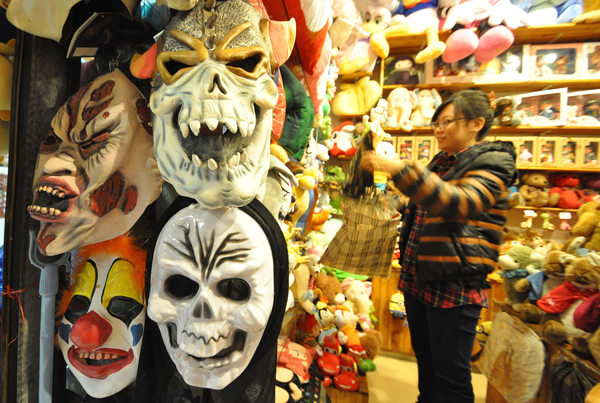
Most common tradition; stores stock from September; contests at bars and parties
-
02
Pumpkins
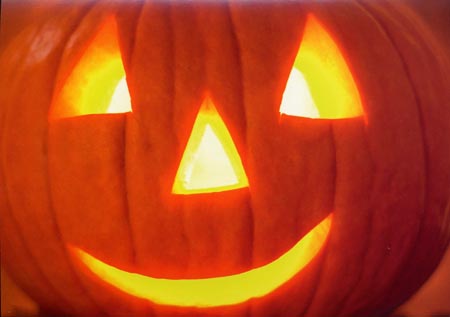
Jack-o-lanterns carved and lit; said to ward off evil spirits
-
03
Decorating Your House
Yards become graveyards with skeletons, cobwebs, witches; reused yearly
-
04
Trick or Treating
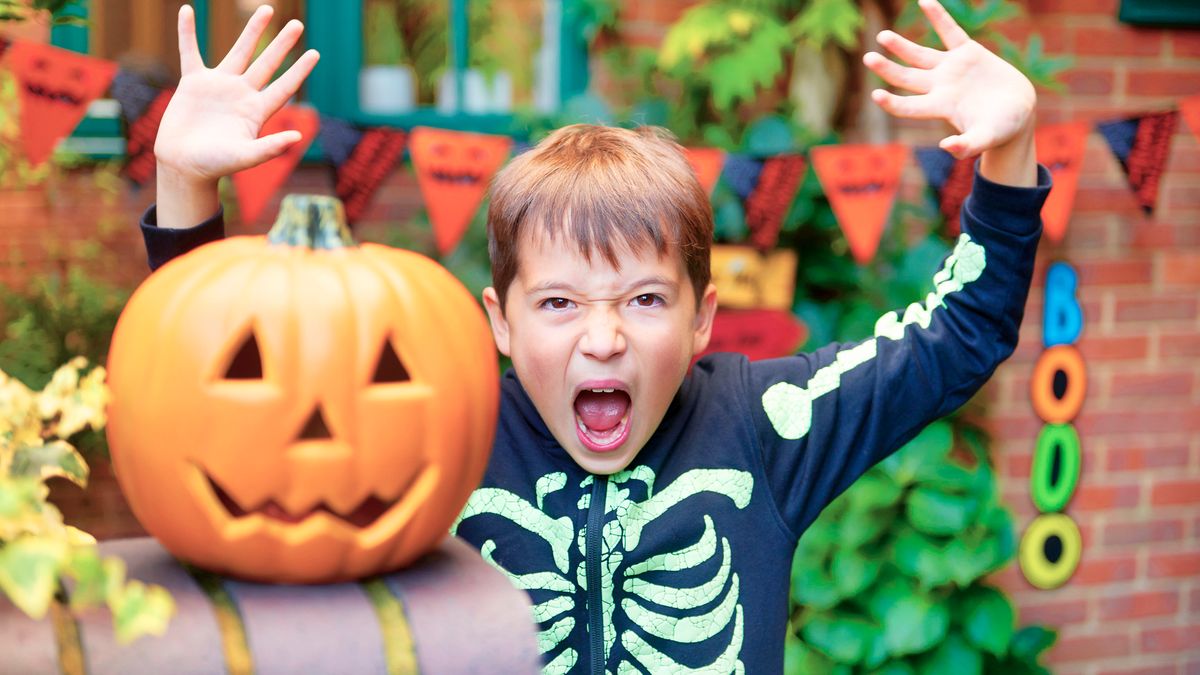
Kids collect candy door to door; most stop ages 11 to 14
Where to watch: Halloween Town (the series) · Twitches · Haunted Mansion · Hotel Transylvania · Frankenweenie · Casper · Corpse Bride · Hocus Pocus · Beetlejuice · Gremlins · The Rocky Horror Picture Show · Carrie · Halloween · The Conjuring · The Ring · Blair Witch Project · Edward Scissorhands
Decoration ideas
- Jack-o-lanterns on the porch
- Beware or keep out signs
- Skeleton in the yard
- Fake cobwebs
- A witch decoration
- Front yard turned into a haunted house
- Skulls
- Spiders
- Graveyard themed yards
Food & drink
- Mini chocolate bars
- Mini candies
- Full sized chocolate bars
- Junk food for movie marathons
Activities
- Stay in a haunted house
- Tour a haunted house or haunted walk like Halloween Haunt at Wonderland
- Do a ghost walk
- Have a seance
- Visit a cemetery
- Scare your friends
- Dress up in spooky costumes
- Have a horror movie marathon
- Attend a Halloween party
- Enter a costume contest
- Hand out candy
- Carve pumpkins
- Trick or treat
- Watch Halloween movies
Facts from the original
- Canadians celebrate Halloween on October 31st every year.
- Halloween is extremely popular in Canada, with millions of Canadians taking part in events across the country.
- Canadians carve pumpkins as jack-o-lanterns, have parties, watch scary movies, dress in costumes, and trick or treat.
- Canadian Halloween festivities are not much different from Halloween in the US.
- Canadians tend to dress up as hockey players more often than Americans do.
- Around September, supermarkets, drug stores, and party shops start stocking costumes.
- Some costume stores operate year round.
- Most people start costume shopping in October.
- Costumes can be puns, favourite characters, animals, or terrifying figures.
- Costume contests run at almost every bar and party in the country, often for bragging rights only.
- A jack-o-lantern is a carved pumpkin lit from inside with a tea candle or electric light.
- The author was taught jack-o-lanterns ward off evil on Halloween, when the spirit world's boundary is weak.
- Yards and houses become graveyards or ghoulish dwellings with spiders, skulls, and cobwebs.
- Some people turn their entire front yard into a haunted house.
- Most yards have beware or keep out signs, a skeleton, fake cobwebs, and a witch.
- People reuse Halloween decorations every year.
- Trick or treating rules include always saying trick or treat and wearing a costume.
- Trick or treaters should be prepared for nobody recognising their costume.
- Trick or treaters should refuse unsealed food and not revisit the same house twice.
- Full sized chocolate bars are preferred over mini ones, and certain houses are remembered year to year.
- Trick or treaters should say thank you and wear a coat because late October is cold.
- Most people stop trick or treating between ages 11 and 14.
- Adults paint on fake scars and blood, visit haunted houses, and walk through graveyards.
- Spooky options include staying in a haunted house, doing a ghost walk, holding a seance, visiting a cemetery, and horror movie marathons.
- Grown-ups can celebrate by handing out candy, watching movies, or going to a party.
- A decorated lawn with the lights on signals that candy is available.
- Most people hand out mini chocolate bars or mini candies, stocked in grocery stores from September.
- Nuts are avoided due to allergies and homemade goods get thrown out.
- Apples are avoided because of the myth of razor blades hidden in them.
- American TV suggests uncandy homes get egged or toilet papered, though the author has never heard of it happening.
- TV stations run marathons of vaguely spooky content every October.
- Halloween parties are a rite of passage in high school, marking the move away from trick or treating.
- In university, Halloween parties can run a full week with a different costume each night.
- Many venues host Halloween events with costume contests or haunted houses, described as overpriced clubbing.
- Halloween is called Halloween in Canada.
- People still go to work on Halloween, but there are many social celebrations.
- There is no definitive record of when Halloween began, but Canadian celebrations go back to the 1800s.
- The author grew up in Canada, moved to the UK for a Masters, and was asked about Halloween by a Malaysian roommate.
- The author has not celebrated Halloween since graduating from her undergrad in 2017.
From the original
Halloween in Canada falls on October 31st each year and is extremely popular, with millions of people joining events nationwide. Canadian celebrations closely mirror those in the US: costumes, carved jack-o-lanterns, parties, scary movies, and trick or treating, with the main difference being that Canadians dress as hockey players more often than Americans. Costume shopping starts in October after stores stock shelves from September, and costumes turn up at school, work, and bars hosting contests. Carved pumpkins lit from inside are said to ward off evil when the spirit world draws near. Yards become graveyards or haunted houses with skeletons, cobwebs, and witches, and decorations get reused yearly. Trick or treating has informal rules about wearing a costume, saying thank you, accepting only sealed food, and visiting each house once; most kids stop between ages 11 and 14. Adults can hand out candy, binge Halloween movies, or attend parties. Horror fans paint on fake blood and visit haunted houses, cemeteries, or ghost walks. The article notes Halloween keeps the same name in Canada, participation is widespread though people still work that day, and Canadian celebrations date back to the 1800s.
More photos


Photos hosted by ninaoutandabout.ca.