Halloween in AmericaNo. 9460 · The 2026 edition
Halloween Vs. Thanksgiving
Which holiday has the deeper roots? Uncover the surprising history behind Halloween and Thanksgiving's traditions.
Our own summary of the original — the full post and photos live at hbinretrospect.com.

Explore the origins and evolution of Halloween and Thanksgiving, comparing their historical backgrounds, cultural significance, and how each holiday's traditions have transformed over time. Discover the key differences in their celebrations and the common misunderstandings about their past.
About this
Explore the origins and evolution of Halloween and Thanksgiving, comparing their historical backgrounds, cultural significance, and how each holiday's traditions have transformed over time. Discover the key differences in their celebrations and the common misunderstandings about their past.
Facts from the original
- In fall, the two big holidays are Halloween and Thanksgiving, and comparing them is interesting even though people rarely think of them together.
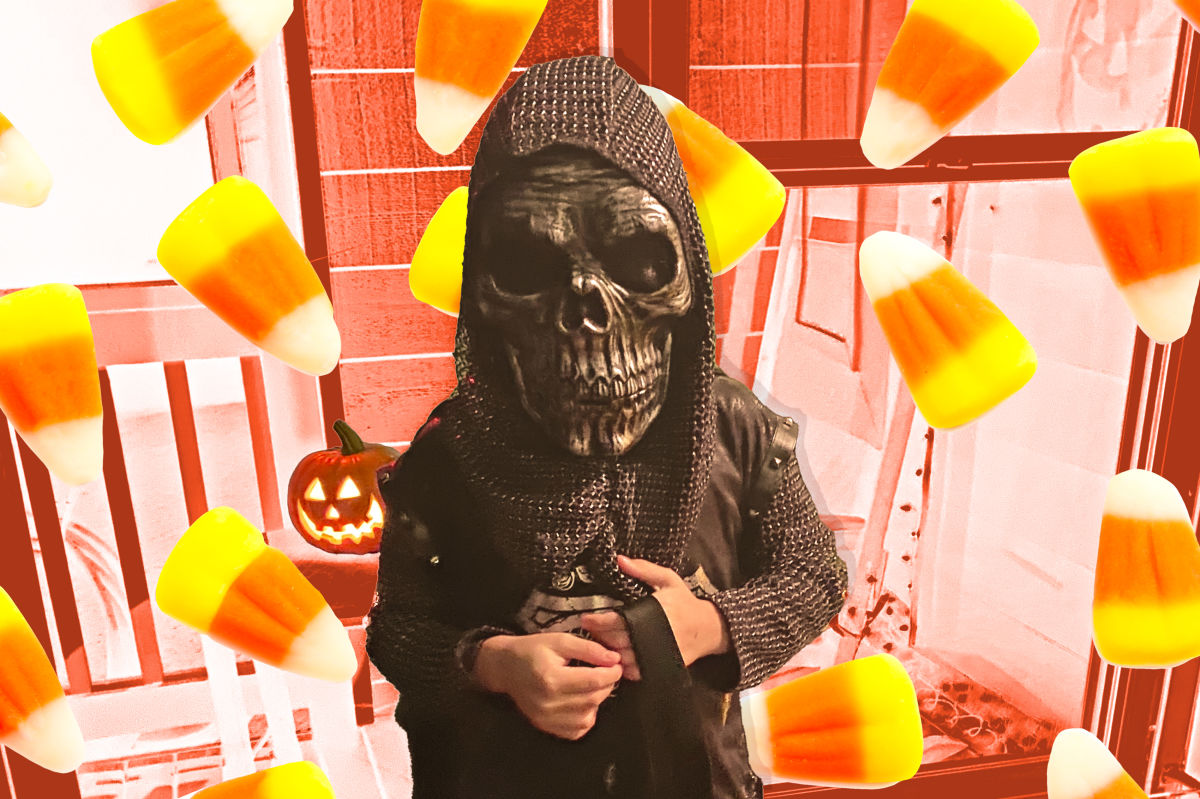
- These days Halloween is about the costumes, candy, and pumpkin.
- Halloween originates from an ancient Celtic festival called Samhain.
- The Celts celebrated their new year on November 1st, and that time of year was often associated with death.
- It was believed that on the night of October 31st, ghosts of the dead returned to earth.
- The Celts burnt crops and animals as sacrifices and wore costumes.
- Later Christianity influenced the holiday and November 1st was declared All Saints' Day and October 31st became All Hallow's Eve.
- Halloween came to America after Irish immigrants brought it over.
- Thanksgiving is about being thankful, and it is popular for food and families coming together.
- Thanksgiving originated in 1620 when a group of pilgrims from England settled in Plymouth and formed an alliance with a tribe of Native Americans.
- In 1621, the two groups shared an autumn harvest feast that was the first Thanksgiving.
- Thanksgiving was celebrated by individual states until 1863 when President Abraham Lincoln declared it a national Thanksgiving Day.
- Thanksgiving represents positive ideals such as togetherness, love, and family, while Halloween doesn't really do that.
- Halloween is more about kids while Thanksgiving is for people of all ages.
- On Thanksgiving people get part of the week off work and school so everyone can enjoy food and time with family.
- The day following Thanksgiving is Black Friday, when you can shop until you drop.
- For Halloween, you don't get off work or school.
- When it comes to food, Thanksgiving is usually a feast with turkey, potatoes, pie, and various side dishes.
- Halloween is mainly about candy, but there are also candy apples, pumpkin, and other foods that can be Halloween themed.
- There is no such thing as too much candy.
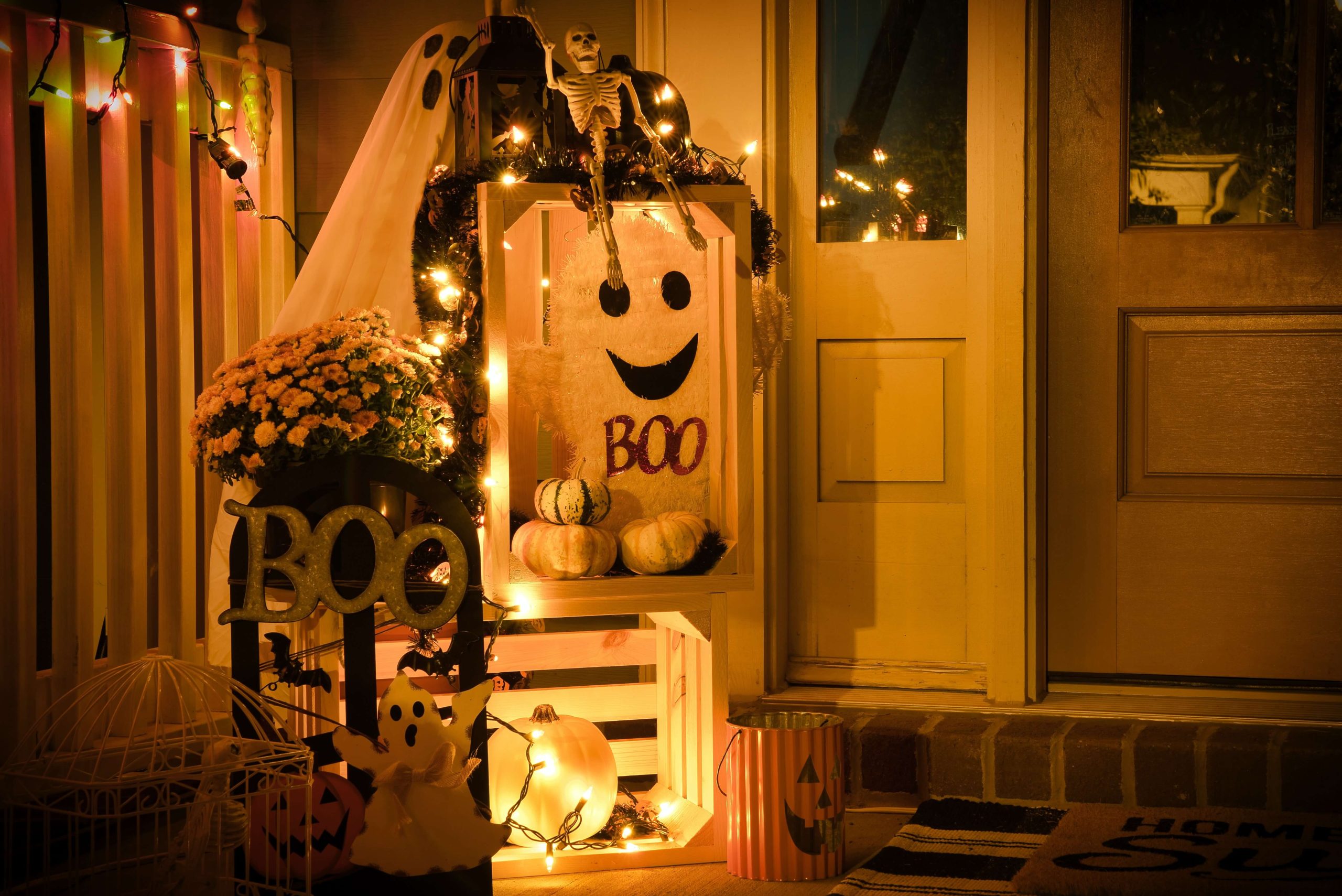
- In decorations, Halloween definitely wins, with spooky decorations such as Jack-o-lanterns, lights, and ghosts.
- Thanksgiving doesn't have much of its own decorations other than turkey figurines; it's mainly leftover Halloween decorations and early Christmas decorations.
- The author's personal favorite is Thanksgiving because of getting off school and lots of good food, and probably Halloween candy still left over.
- The page invites readers to vote on whether Halloween or Thanksgiving is better.
- Commenter Grace Beedles said Thanksgiving is the best food, and food and family are what more could you ask for.
- Commenter Martin Welsh said Halloween can also be about honoring your deceased family members, but agreed it is generally more of a kids' holiday.
From the original
This short opinion-and-origins piece compares the two major fall holidays, Halloween and Thanksgiving, noting that people seldom think of them together even though the contrast is interesting. It traces Halloween back to the ancient Celtic festival Samhain, when the Celts marked their new year on November 1st, a time associated with death; they believed the ghosts of the dead returned on the night of October 31st, so they burned crops and animals as sacrifices and wore costumes. Later Christian influence turned November 1st into All Saints' Day and October 31st into All Hallow's Eve, and Irish immigrants carried the holiday to America. Thanksgiving, the article says, is about gratitude and brings families together over food; it began in 1620 when English pilgrims settled in Plymouth and allied with a Native American tribe, and in 1621 the two groups shared an autumn harvest feast regarded as the first Thanksgiving. Individual states observed it until President Abraham Lincoln made it a national Thanksgiving Day in 1863. The author argues Thanksgiving embodies togetherness, love and family and appeals to all ages while Halloween is mainly for kids, notes that Thanksgiving comes with time off school and work (followed by Black Friday shopping) while Halloween does not, contrasts the feast of turkey, potatoes, pie and sides with Halloween's candy focus, and awards Halloween the win for decorations, since Thanksgiving mostly recycles Halloween and early Christmas decor. The writer personally prefers Thanksgiving and invites readers to vote on which holiday is better.