Halloween in AmericaNo. 2469 · The 2026 edition
The Fascinating History of Halloween Decor: Unveiling the Eerie Charm and Spine-Tingling Spookiness
Discover the eerie origins of Halloween decorations, from ancient rituals to modern macabre masterpieces.
Our own summary of the original — the full post and photos live at dekorama.design.
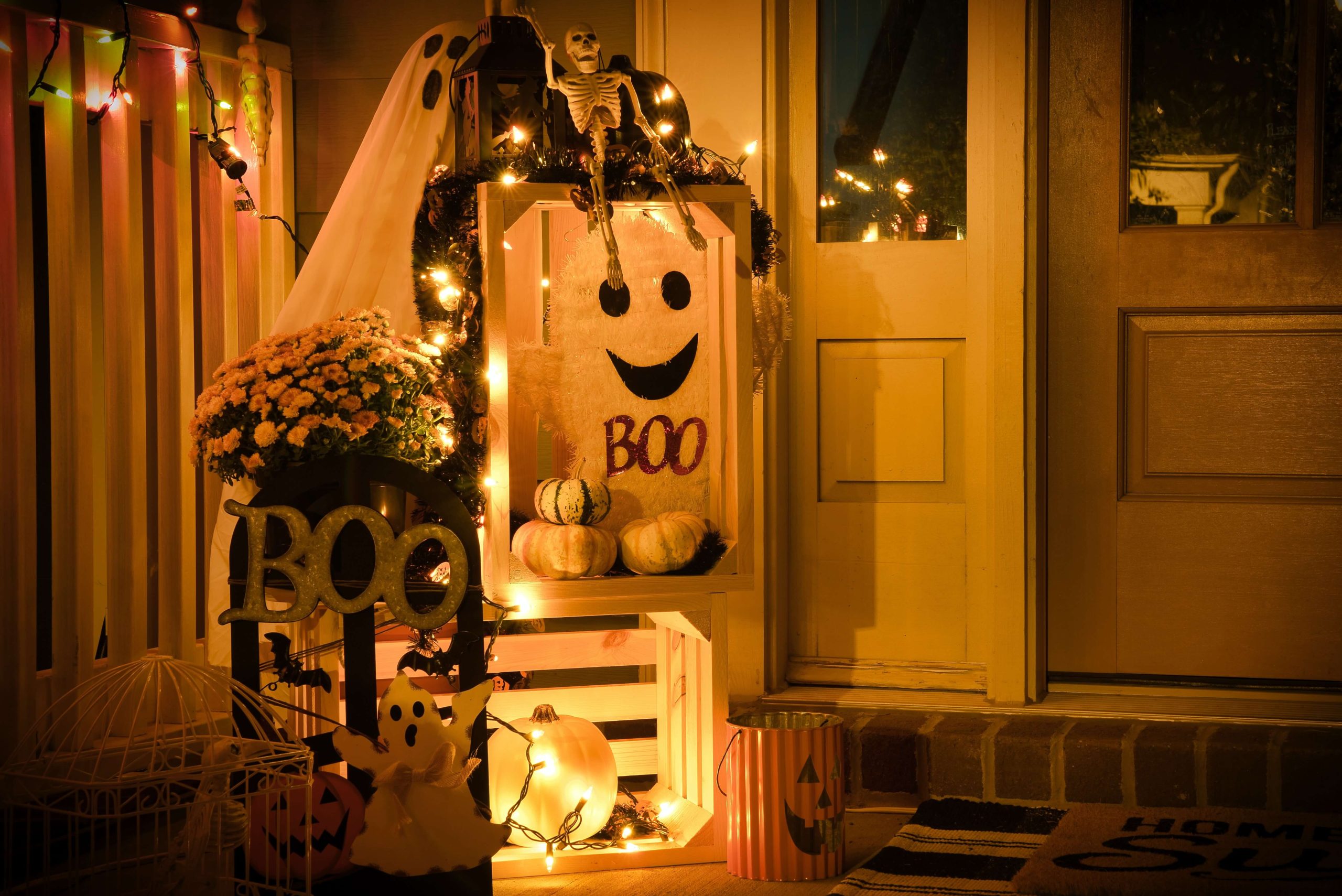
Explore the evolution of Halloween decor, tracing its roots from Celtic traditions and medieval practices to the present-day love for spooky embellishments that haunt our homes every October.
About this
A blog article from Dekorama tracing the origins and evolution of Halloween decorations, from ancient Celtic Samhain turnip lanterns to modern high-tech haunted attractions. It explains the folklore and symbolism behind jack-o'-lanterns, haunted houses, ghosts, witches, skeletons and Halloween lights, covers DIY ideas and contemporary trends, and closes with a look at the psychology of why people enjoy being scared.
Facts from the original
- Halloween decor originates in ancient Celtic traditions.
- Decorating homes and yards during the season traces back to the Gaelic festival of Samhain.
- At Samhain the boundary between the living and the dead was believed to be the thinnest.
- The Celts carved turnips, lit them with a candle and placed them outside their homes to ward off evil spirits.
- Irish immigrants brought their traditions to America in the 19th century.
- In America, pumpkins were found to be more readily available and easier to carve than turnips.
- The jack-o'-lantern as it is known today was born from the switch from turnips to pumpkins.
- Halloween decor later expanded to include haunted houses, black cats, witches and skeletons.
- The commercialization of Halloween increased the variety and complexity of decorations.
- The term jack-o'-lantern comes from an Irish folktale about a man named Stingy Jack, notorious for his trickery.
- When Stingy Jack died he was denied entry into both heaven and hell.
- Stingy Jack was doomed to roam the earth with a carved-out turnip filled with a burning coal as his only source of light.
- The pumpkin's natural shape and vibrant color made it the perfect replacement for turnip lanterns.
- Jack-o'-lanterns evolved into a symbol of warding off evil spirits and bringing protection to homes at Halloween.
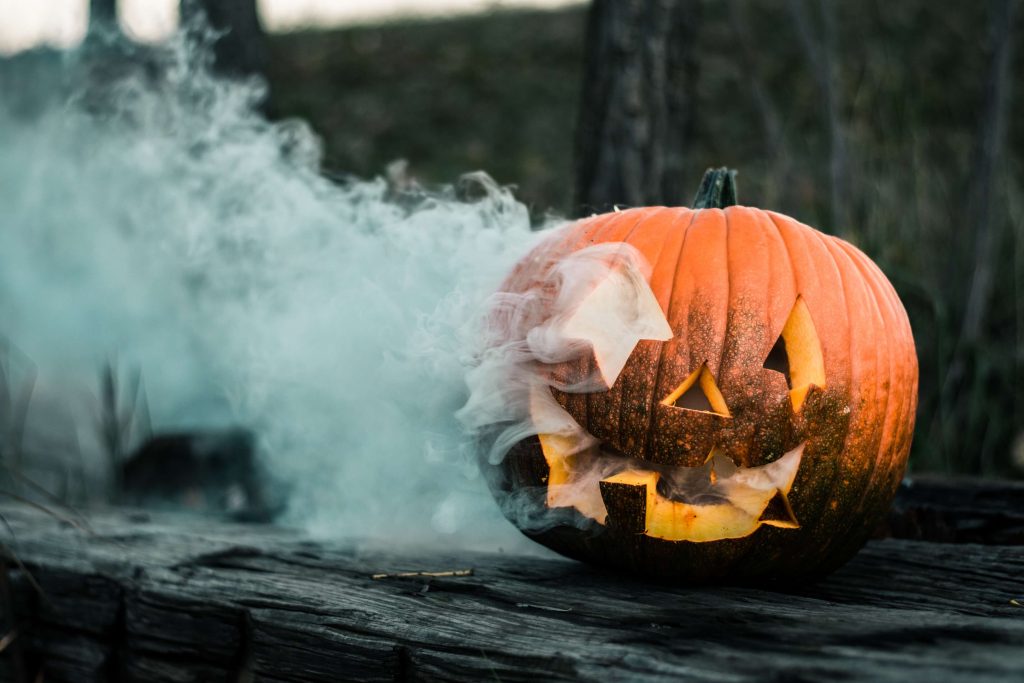
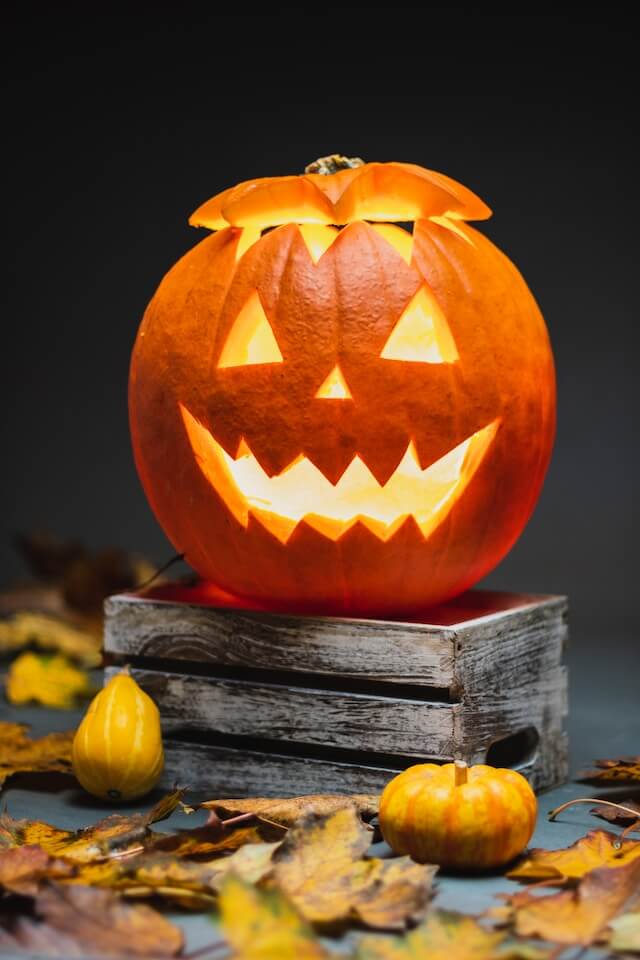
- Today people carve intricate designs into pumpkins and illuminate them with candles or LED lights.
- The origins of haunted houses can be traced back to ancient folklore and legends.
- In many cultures it was believed that ghosts and spirits would roam freely on Halloween night.
- People decorated their homes with creepy and ominous objects to ward off otherworldly visitors.
- Haunted houses evolved into interactive attractions featuring elaborate sets, intricate mazes and terrifying actors.
- Haunted houses have become a multi-million-dollar industry visited by thousands every Halloween season.
- Ghosts are associated with Halloween because the boundary between the living and the dead was believed to blur on that night, allowing spirits to roam freely.
- Witches have a history rooted in mythology and legends.
- In ancient times witches were believed to possess magical powers and were both feared and revered.
- Witches were seen as able to shape-shift, cast spells and communicate with the spirit world.
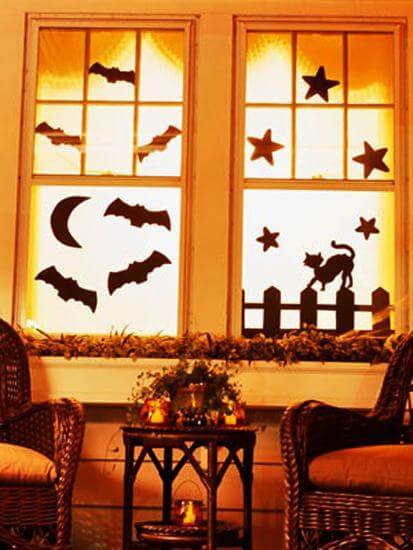
- Witches are now a popular Halloween symbol shown with pointed hats, broomsticks and black cats.
- Skeletons represent death and the macabre and remind us of mortality and the transient nature of life.
- Skeletons have been used in Halloween decorations for centuries as animated figures, hanging decorations and parts of Day of the Dead celebrations.
- The tradition of Halloween lights can be traced back to ancient Samhain celebrations, where bonfires were lit to ward off evil spirits.
- Samhain bonfires provided warmth and light on the darkest night of the year and served as a beacon to guide lost souls back to the spirit realm.
- Jack-o'-lanterns became a popular choice for Halloween lighting, carved from pumpkins or turnips.
- Legend holds that the glowing faces of jack-o'-lanterns were meant to frighten evil spirits and guide wandering souls.
- String lights, candles and LED technology have transformed Halloween lighting in recent years.
- Examples of Halloween lighting include flickering candles in witch cauldrons and strands of orange and purple lights illuminating haunted houses.
- DIY Halloween decor lets people customize decorations, save money and add a personal touch.
- A popular DIY project is a Halloween wreath made with black feathers, miniature skulls and spider webs.
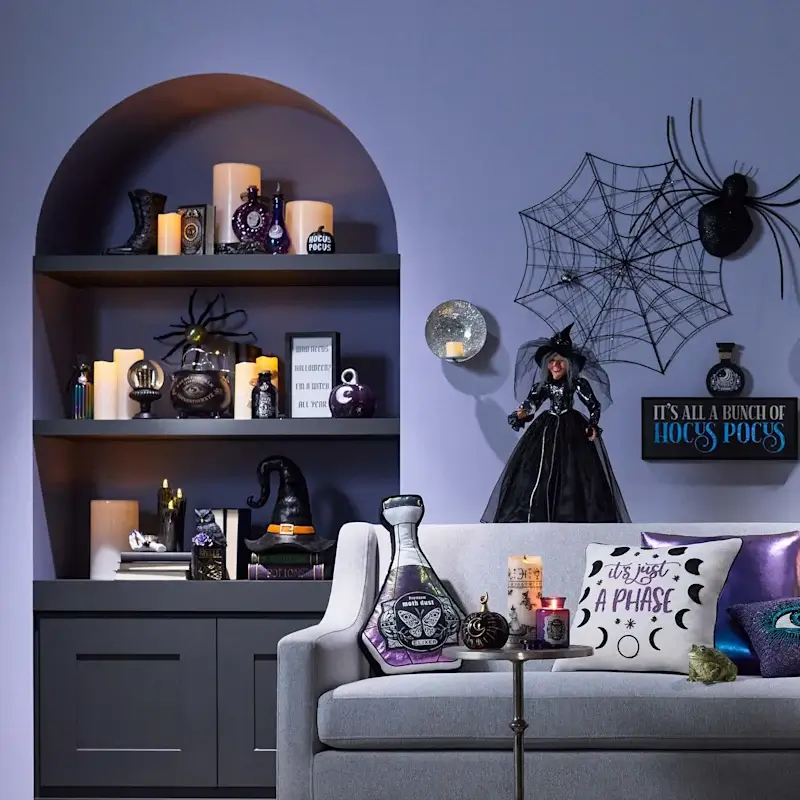
- Potion bottles can be made by repurposing old glass containers and filling them with colored water or faux ingredients like eyeballs and spiders.
- Ordinary objects can be transformed into witches' brooms, tombstones or a creepy apothecary.
- One modern trend is incorporating technology such as animated props, motion-activated decorations, digital projections and synchronized light displays.
- Another trend is unconventional color schemes such as purple and green or black and gold instead of the traditional orange and black.
- Pumpkin carving has evolved into an art form with intricate designs, multi-dimensional creations and painted pumpkins.
- Sustainable and eco-friendly Halloween decorations are gaining popularity, using reusable items, biodegradable materials and repurposed objects.
- One reason people love Halloween decor is the thrill of being scared in a safe and controlled environment.
- Halloween decor taps into fascination with the supernatural and the unknown and connects people with ancient folklore and mythical creatures.
- Halloween decor also serves as a means of self-expression and creativity.
From the original
This article traces how Halloween decorations developed from ancient Celtic religion to today's commercial spectacle. The practice of decorating homes and yards during the season goes back to the Gaelic festival of Samhain, when the barrier between the living and the dead was thought to be at its thinnest. To keep evil spirits away, the Celts carved turnips, put a candle inside and set them outside their homes. When Irish immigrants carried these customs to America in the 19th century, they found pumpkins cheaper and easier to carve, and the jack-o'-lantern as we know it appeared. The name itself comes from the Irish tale of Stingy Jack, a trickster denied entry to both heaven and hell and condemned to wander the earth with a carved turnip holding a burning coal. As Halloween became commercialised, the range of symbols grew to include haunted houses, black cats, witches and skeletons. Haunted houses, once homes hung with creepy objects to frighten off spirits, turned into interactive attractions with elaborate sets, mazes and actors, and now form a multi-million-dollar industry. Halloween lighting likewise descends from Samhain bonfires lit to repel evil spirits and guide lost souls, later replaced by glowing jack-o'-lanterns and eventually by string lights, candles and LEDs. The article also covers DIY projects such as wreaths and potion bottles, modern trends like animated props, unusual colour palettes, artistic pumpkin carving and eco-friendly decor, and the psychology of enjoying fear in a safe setting.
More photos
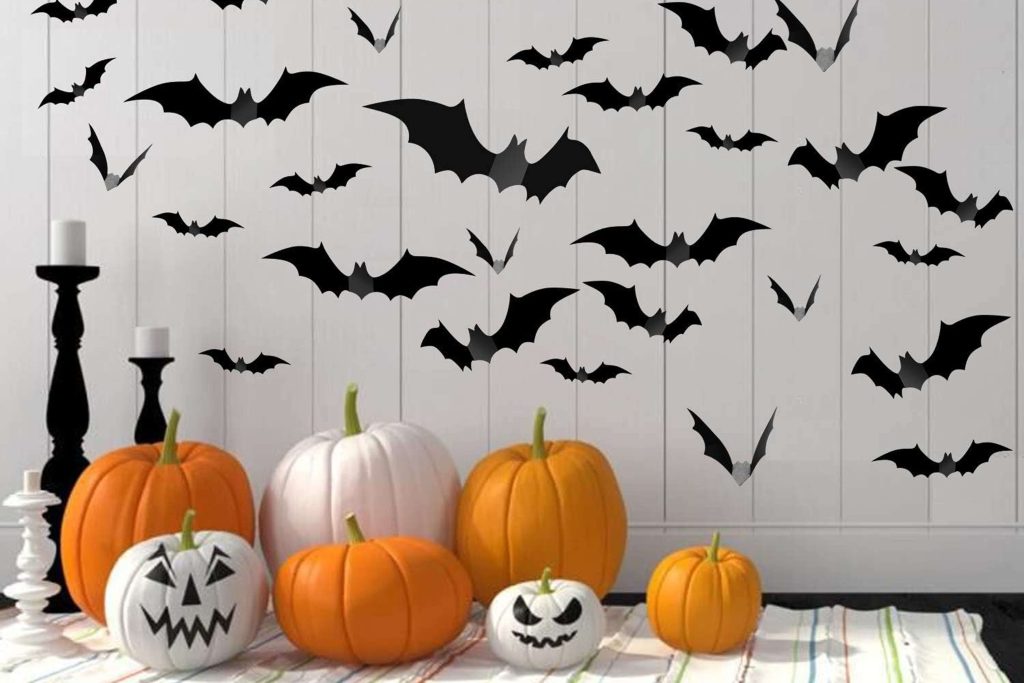
Photos hosted by dekorama.design.