Go · Pumpkin patchNo. 3659 · The 2026 edition
Pumpkin patch tips: the field guide, from picking to keeping.
When to go, how to pick a pumpkin that lasts, which kinds to carve or cook and how to stay safe on the farm, plus farm finders from USDA, North Carolina and Tennessee and projects from pepitas to a C-3PO pumpkin.
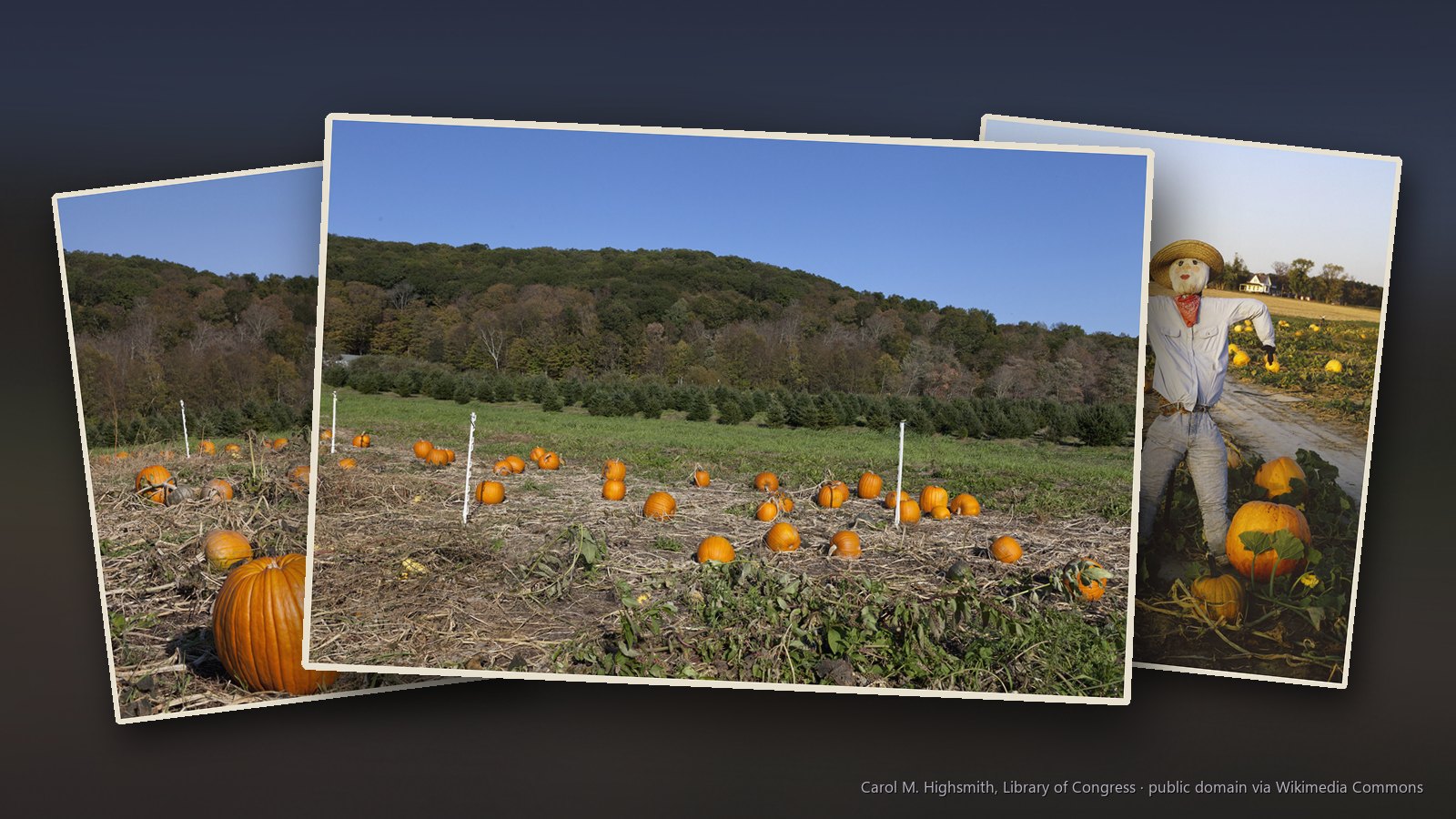
Here are the pumpkin patch tips worth having before you load the car, drawn from published guidance and data instead of hearsay: university Extension services, state agriculture departments, USDA, the CDC and the FDA. Each tip names its source, and we checked the sources in October 2026.
We take the trip in order: before you go, picking a pumpkin that lasts, carving versus cooking varieties, keeping it at home, and staying safe around animals, cider, hayrides and corn mazes. A picking checklist follows, then five official farm finders and five of our own pumpkin guides. It’s for first-timers, and for anyone whose jack-o’-lantern has gone soft early.
Before you go
Timing first. Penn State Extension says pumpkin harvest generally starts in early fall and peaks from September through October, depending on the region and the variety. In University of Illinois Extension’s growing guide, pumpkins meant for Halloween are planted from late May in northern areas to early July in the far South, and healthy vines can be harvested in late September or early October, before heavy frosts arrive.
Frost matters, too. Nebraska Extension says a light frost of roughly 28 to 32 degrees F only kills the vines and leaves the pumpkins unharmed, but a hard frost in the mid-to-low 20s degrees F damages pumpkins and cuts how long they will keep.
Then check with the farm itself. North Carolina’s agriculture department advises checking directly with a farm before a fall visit for current hours, admission, reservations, accessibility details and pet policies, because farm schedules and seasonal offerings can shift with weather and crop conditions. The Tennessee Department of Agriculture’s pumpkin-patch listing tells visitors to call ahead to confirm availability and hours of operation. And an Ohio State University Extension educator lists uneven ground in pumpkin patches, and making sure little kids do not run off, among the safety points that fall-farm visitors and operators should keep in mind.
Picking a pumpkin that lasts
Start with the stem and the weight. University of Illinois Extension recommends a pumpkin with about 1 to 2 inches of stem left on, and says the stem is not a handle: once it snaps off, the exposed spot makes the pumpkin more likely to spoil early. It also says to skip pumpkins with blemishes or soft spots and to pick one that feels heavy. Shape does not matter, and a lopsided pumpkin is not necessarily a bad one.
Then use your hands. In a September 2020 release, a University of Illinois Extension horticulture educator suggests a flat-bottomed pumpkin so it stands upright, rejecting any with holes, cuts or soft spots because those areas will decay, and a thumbnail test: if a fingernail scratches the rind, leave it. The same release notes that lighter-colored pumpkins are easier to carve because their skin is not as hard as darker ones, but they do not keep as well. University of Minnesota Extension adds that a ripe pumpkin has a rind hard enough that pressing it with a finger leaves no dent, and that a thump sounds hollow, which signals that the seeds and air pocket have developed. The hollow sound may not hold for some squash varieties.
With more than 45 pumpkin varieties, in colors from green to orange, red and yellow, color alone does not show ripeness, Illinois Extension notes; it points to a dry stem and a rind that a fingernail cannot easily dent or puncture. NC State Extension says to buy from a local grower when you can and ask whether the pumpkins were cured, since curing lengthens storage life. It also says to check for plenty of attached stem, even color and soft spots, because soft-spotted pumpkins rot much sooner, and to handle pumpkins gently to avoid bruising or punctures.
Carving pumpkins vs. cooking pumpkins
University of Illinois Extension says that at a pick-your-own pumpkin farm you are most likely choosing an ornamental pumpkin for decorating and carving: typically bright orange with smooth skin, often very large, and with a stem. Nebraska Extension notes that blue pumpkins, white pumpkins and small pie pumpkins are growing in popularity. Illinois Extension’s variety list also describes Rouge Vif d’Estampes as a deep red-orange, flattened, heavily ribbed pumpkin that served as the model for Cinderella’s carriage and is sometimes sold as a “Cinderella” pumpkin.
For cooking, look for a pie pumpkin. Illinois Extension describes “pie” or “sweet” pumpkins as higher in sugar, more flavorful, less watery and smoother-fleshed than jack-o’-lantern types, and generally smaller; for baking, it suggests a firm pumpkin of roughly 4 to 8 pounds that feels heavy for its size and has no soft spots, nicks, cuts or cracks. Its variety list calls the Small Sugar, or New England Pie, type the standard pie pumpkin. Nebraska Extension agrees that a pie or sweet pumpkin, usually smaller with sweeter and less watery flesh, is the best pick for cooking, though a jack-o’-lantern type can be cooked with fairly good results. It adds that misshapen pumpkins are as safe to eat as symmetrical ones.
Not every decorative squash belongs on the stove. A University of Georgia Extension vegetable specialist says gourds typically cannot be eaten and are best used for decoration, and that some hard-shell pumpkins are likewise better kept as decorations than eaten. Poison Control, the National Capital Poison Center, says decorative squashes such as colocynths are not edible because they carry high levels of bitter cucurbitacin, which heat does not break down, and that any bitter-tasting squash should be thrown away rather than cooked.
Keeping it once it’s home
Nebraska Extension says washing pumpkins is optional but can help them keep longer: wipe them with about 1 tablespoon of bleach per gallon of water, then store them cool but not freezing, dry and off the ground with some air flow. By Nebraska’s count, Halloween-type pumpkins that were cured and not frosted keep 2 to 3 months. Illinois Extension says whole pumpkins can keep up to 6 months at 50 to 55 degrees F with 50 to 70 percent humidity, but they deteriorate quickly below 50 degrees F, keep poorly if they were exposed to freezing before harvest, and should be stored away from apples and pears, whose ripening gas shortens storage life. Iowa State Extension advises keeping cured pumpkins in a single layer, not touching, in a cool, dry spot at 50 to 55 degrees F, because piles generate heat that can rot fruit, and promptly discarding any pumpkin that shows signs of decay.
A carved pumpkin is a different story. Illinois Extension recommends carving only a few days before Halloween, because a carved pumpkin starts losing moisture and rot organisms move in, and University of Minnesota Extension warns that carved jack-o’-lanterns get moldy and collapse in warm weather. Illinois Extension’s other tips: wash the pumpkin with warm water and let it dry before carving or display, keep it in a cool place, coat the inside and the cuts of a carved pumpkin with petroleum jelly, and use a battery-powered light instead of a candle, since a candle speeds deterioration. Expect a pumpkin cut for Halloween to last about 7 to 10 days, depending on the weather. Minnesota also notes that decorative squash and gourds left in rain or hot sun start to decay and attract deer and squirrels.
NC State Extension lays out a more elaborate plan for carved pumpkins: a 10% bleach wash before carving, a hole cut in the back, a 24-hour bleach soak after carving, cuts sealed with petroleum jelly or vegetable oil, a glow stick or electric candle instead of a flame, and a daily bleach spray. That should keep a pumpkin going about 8 to 11 days, so NC State still advises not carving too early. Bleach strength varies between Extension sources: the 10% wash is NC State’s figure, while Nebraska’s wipe for whole pumpkins, above, is about 1 tablespoon per gallon of water. Nebraska Extension also says a pumpkin that has been carved and displayed should be discarded rather than cooked, and that pumpkins polished with acrylic floor wax or polyurethane spray should not be eaten.
Staying safe at the farm
If there is an animal area, the CDC’s guidance for animal exhibits is specific. It says to wash hands with soap and running water right after touching animals or anything in the areas where they live, roam or eat, and again when leaving animal areas, even if you only wore gloves or never touched an animal; an alcohol-based hand sanitizer with 60% alcohol is the fallback until you can wash. It also says not to eat or drink around animals, to keep food and drinks out of animal areas, and not to eat or drink raw (unpasteurized) products at animal exhibits. Children under 5 should not touch reptiles, amphibians or poultry such as chickens and ducks at animal exhibits, the CDC adds, and children under 5, adults 65 and older and people with weakened immune systems are more likely to get sick from the germs animals carry.
Then there is the cider. The FDA says children, older adults, pregnant women and people with weakened immune systems can become seriously ill, or even die, from drinking untreated (unpasteurized) juice or cider. Packaged untreated juice sold at places such as cider mills and farmers’ markets must carry a label warning that it has not been pasteurized, but the FDA does not require a warning label on juice or cider sold by the glass, such as at apple orchards, farmers’ markets or roadside stands. If you are unsure, the FDA tells shoppers to ask whether it has been pasteurized or otherwise treated.
Hayrides come with rules. Ohio State University Extension’s visitor tips say to stay seated at all times on hayrides and sleigh rides, and a hayride safety bulletin from the Southwest Center for Agricultural Health, Injury Prevention and Education, archived by the CDC, lists four passenger rules: no standing or crawling around the wagon, no jumping on or off while it is moving, no hanging feet over the edge, and no extra riders on the tractor. Ohio State’s tips for farm outings also include obeying posted rules and smoking policies, using the hand-washing stations when leaving petting-zoo areas, staying out of restricted areas such as machinery, open water and chemicals, and following the farm’s communicated directions in bad weather. For corn mazes, Ohio State’s agricultural safety program, in guidance aimed at operators, calls fire a serious hazard and says there should be no smoking in or around a maze.
A few pumpkin facts
USDA’s Economic Research Service reports that every U.S. state grows pumpkins, but the top five states produced nearly 72 percent of the 2025 crop, which totaled 1.47 billion pounds nationwide. Illinois led with about 533 million pounds, slightly more than the other top four states combined: California at about 162 million, Indiana about 135 million, Michigan about 115 million and Pennsylvania about 105 million pounds.
The same agency says about 85 percent of U.S. pumpkin acreage goes to the fresh and ornamental market (2022 Census of Agriculture), while nearly 70 percent of Illinois’s pumpkin acreage is grown for processing. University of Illinois Extension’s nutrition program says more than 90 percent of the nation’s canning pumpkins are grown in Illinois. By number of operations rather than pounds, Penn State Extension, using 2022 Census of Agriculture data, reports that New York had the most pumpkin operations (1,170), followed by Pennsylvania (1,148) and Michigan (1,046), while Illinois, the top producer by acreage, ranked sixth with 645 larger-scale operations.
How to pick a pumpkin in the field
- Check the stem — Look for about 1 to 2 inches of stem, and don’t use it as a handle, because once it snaps off the exposed spot makes the pumpkin more likely to spoil early.
- Feel the weight — Choose one that feels heavy, and skip any with blemishes or soft spots.
- Look for a flat bottom — A flat-bottomed pumpkin stands upright, and a University of Illinois Extension horticulture educator suggests rejecting any with holes, cuts or soft spots, since those areas will decay.
- Try the fingernail test — If a fingernail scratches the rind, leave that pumpkin behind.
- Press, then thump — A ripe pumpkin’s rind is hard enough that a pressed finger leaves no dent and a thump sounds hollow, though University of Minnesota Extension notes the hollow sound may not hold for some squash varieties.
- Don’t go by color alone — With more than 45 varieties in colors from green to orange, red and yellow, color alone does not show ripeness, so look to a dry stem and a rind a fingernail cannot easily dent or puncture.
- Ask whether it was cured — NC State Extension says curing lengthens storage life, and suggests buying from a local grower when you can and asking about it.
Find a patch, then make something of it
Official farm finders: USDA and four states
- USDA Local Food Directories (agritourism) — A federal, nationwide place to start: USDA’s Agricultural Marketing Service says its newer combined local-food platform now includes an Agritourism Directory. Worth a look if your state has no finder of its own in this list. The guide
- Visit NC Farms — North Carolina’s official agritourism site lets you browse farms by category, county, region or distance, with a pick-your-own category and filters for corn mazes, hayrides and other amenities. Handy when what a farm offers matters as much as how far it is. The guide
- Pick Tennessee Products: Pumpkin Patches — A listing devoted to Tennessee pumpkin patches, from the state agriculture department’s Pick Tennessee Products program, searchable by your location or within 5 to 50 miles. It also reminds visitors to call ahead for hours, which is good advice anywhere. The guide
- Georgia Grown (Find Georgia Grown) — For Georgia visits: the state agriculture department’s Georgia Grown division runs a Find Georgia Grown search with an Agritourism category and options for Corn Mazes & Pumpkin Patches, Pick Your Own and Pumpkins. The link opens the home page, where the search sits. The guide
- Maryland's Best (Search Local Experiences) — Run by the marketing department of the Maryland Department of Agriculture, this search lets families pick a farm by activity: corn maze, hay or wagon rides, pick-your-own or petting farm. Its Family Fall Fun page says to check farms’ websites and social pages for hours. The guide
Five pumpkin guides for once it’s home
- How to: Carve a Pumpkin Skull with an Exposed Squash Brain — A gruesome twist on the jack-o’-lantern: hollow out the pumpkin, carve a skull face, then fill the inside with a homemade orange-and-red mix that doubles as an exposed brain. One for older kids and adults who like their pumpkins gory. The guide
- 8 Tips to Make Pumpkins Last Longer This Halloween — Eight ways to keep a jack-o’-lantern going, covering both how you carve it and natural preservatives, so it stays fresh-looking and free of mold. A good companion to the advice above for anyone who wants it to last through Halloween night. The guide
- C-3PO and R2-D2 Pumpkins — Two artificial pumpkins painted as C-3PO and R2-D2, using base coats, tape to keep edges sharp and paint markers for the small details, plus foam legs at the end. A no-carve project for Star Wars fans, and with artificial pumpkins nothing here will rot. The guide
- Cinnamon Sugar Pumpkin Seeds — Fresh pumpkin seeds get a short roast to dry out, then a coating of butter, vanilla, sugar and cinnamon and a bake until golden. A sweet snack for a fall afternoon or a party bowl. The guide
- Pepitas (Roasted Pumpkin Seeds) — Savory seeds, done low and slow: wash and dry them, stir in olive oil and any seasonings you like, then roast at 250 degrees F for roughly an hour, until golden and crunchy. Made for carving leftovers, so it’s the next step after the jack-o’-lantern. The guide
A pumpkin lasts longest when it is picked well, kept cool and carved late.
Use the guide in order: find a farm in the directories above, call ahead for hours, pick with the stem, weight and rind checks in hand, and keep the pumpkin cool until a few days before Halloween. Bring home a pie pumpkin too if you plan to cook, save the seeds when you carve, and let the two seed recipes take it from there. The full pumpkin shelf has more.