Folklore & LegendsNo. 5830 · The 2026 edition
Halloween in China: Festivals and Traditions to Celebrate
Discover how China blends its own ghost festivals with Western Halloween for a unique celebration.
Our own summary of the original — the full post and photos live at lovetoknow.com.
While Halloween is not a traditional Chinese holiday, it has gained popularity in urban areas, especially among young people. China also has its own related festivals like Zhongyuan Festival (Hungry Ghost Festival) and Qingming Festival, which involve honoring ancestors and appeasing spirits. These traditions offer a distinct perspective on the spooky season.
About this
This article looks at whether Halloween is celebrated in China and finds that it largely is not, though a small number of tourists and international students mark the day near universities and tourist-heavy cities. It then introduces three Chinese holidays that honor the dead or the spirit world — the Hungry Ghost Festival, Qingming Festival, and Double Ninth Festival — with their dates, customs, and origins. It finishes with practical suggestions for celebrating Halloween in China, from an indoor trick-or-treat scavenger hunt to pumpkin carving and apple bobbing.
The list
-
01
Hungry Ghost Festival
Ghost Festival on the 15th day of the seventh lunar month; Taoist and Buddhist tradition of offerings to visiting spirits.
-
02
Qingming Festival
Tomb sweeping holiday about 15 days after the Spring Equinox; grave cleaning, offerings, kites, cold food.
-
03
Double Ninth Festival
Ninth day of ninth lunar month; also Chongyang Festival, Senior's Festival since 1989; autumn and elder honoring.
Activities
- Plan a trick-or-treat scavenger hunt inside your home with hidden candies and a list of clues
- Encourage kids to dress up in costumes while doing the scavenger hunt
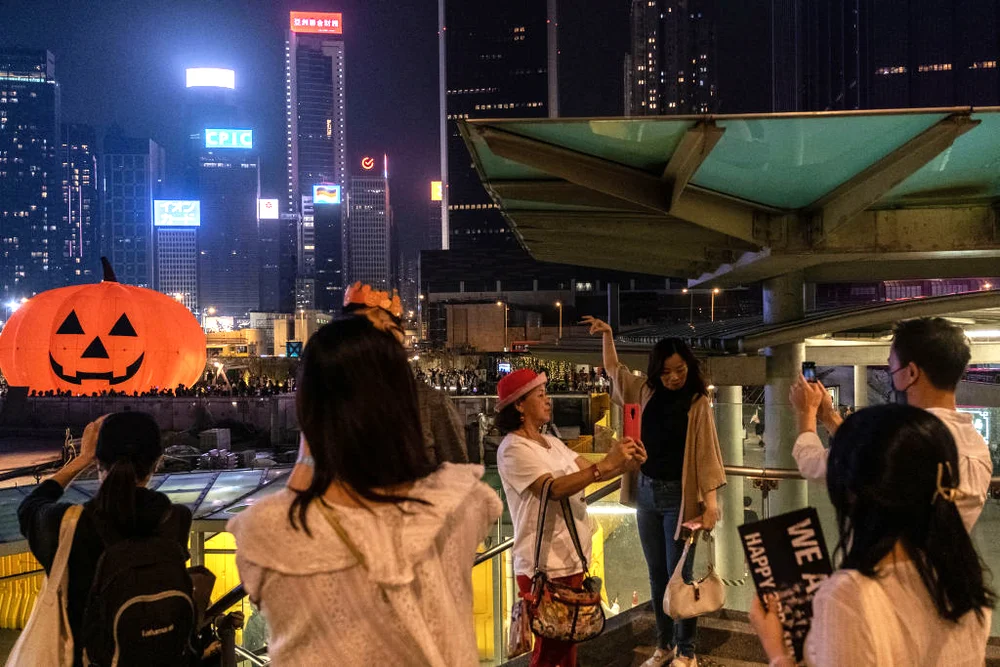
- Explore areas near universities or popular tourist spots for Halloween decorations in stores, restaurants, and bars
- Check out dress-up nights in bars and restaurants at the end of October
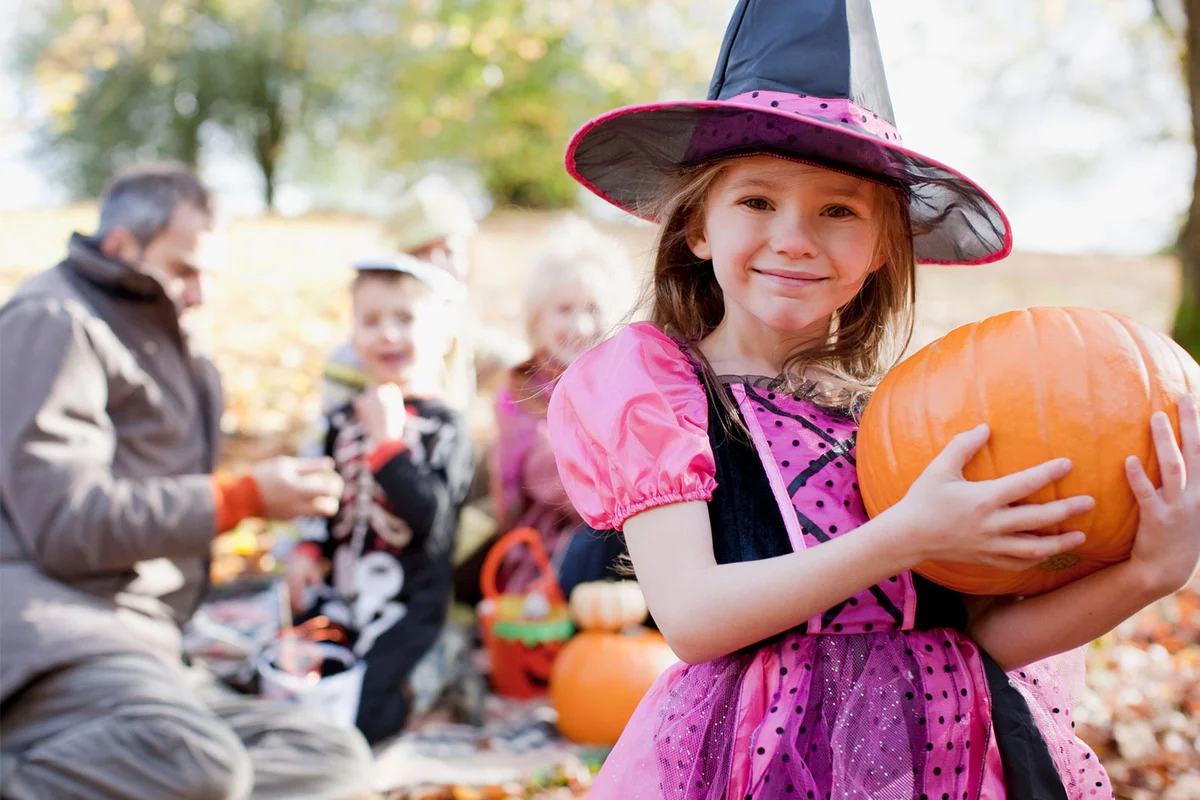
- Hold a pumpkin carving contest for the spookiest or silliest jack-o'-lantern
- Let young kids decorate pumpkins with paint, glitter, stickers, and construction paper
- Bake the pumpkin seeds for a snack after hollowing out pumpkins
- Go bobbing for apples with a large bowl of water and floating apples
- Make candy or caramel-covered apples afterward
- Have a stay-at-home Halloween with candy and scary movies
Facts from the original
- Halloween is not celebrated in China, and the majority of the population does not recognize the American holiday.
- A few people in China do celebrate Halloween, such as tourists and students from other countries attending Chinese universities.
- Areas near universities and high-tourist areas like Beijing, Shanghai, and Guangzhou are more likely to see Halloween celebrations.
- Halloween celebrations in China may be milder than full-blown haunted houses and pumpkin patches.
- China celebrates its own spooky holidays, including days of the dead and ghost days throughout the year.
- These Chinese celebrations have a religious background, and those who observe them believe the barrier between the living and the dead becomes very thin on those days.
- The Hungry Ghost Festival, also known as the Ghost Festival, is held on the 15th day of the seventh lunar month of the Chinese calendar, which falls somewhere in July or August in Western culture.
- The Ghost Festival is a Taoist and Buddhist tradition celebrated in certain East Asian countries.
- For the entire Ghost Month, ghosts, spirits, and passed ancestors are believed to rise from the lower realm and visit the living.
- During Ghost Month, families prepare food offerings for hungry ghosts that may not have had a safe passage into the afterlife.
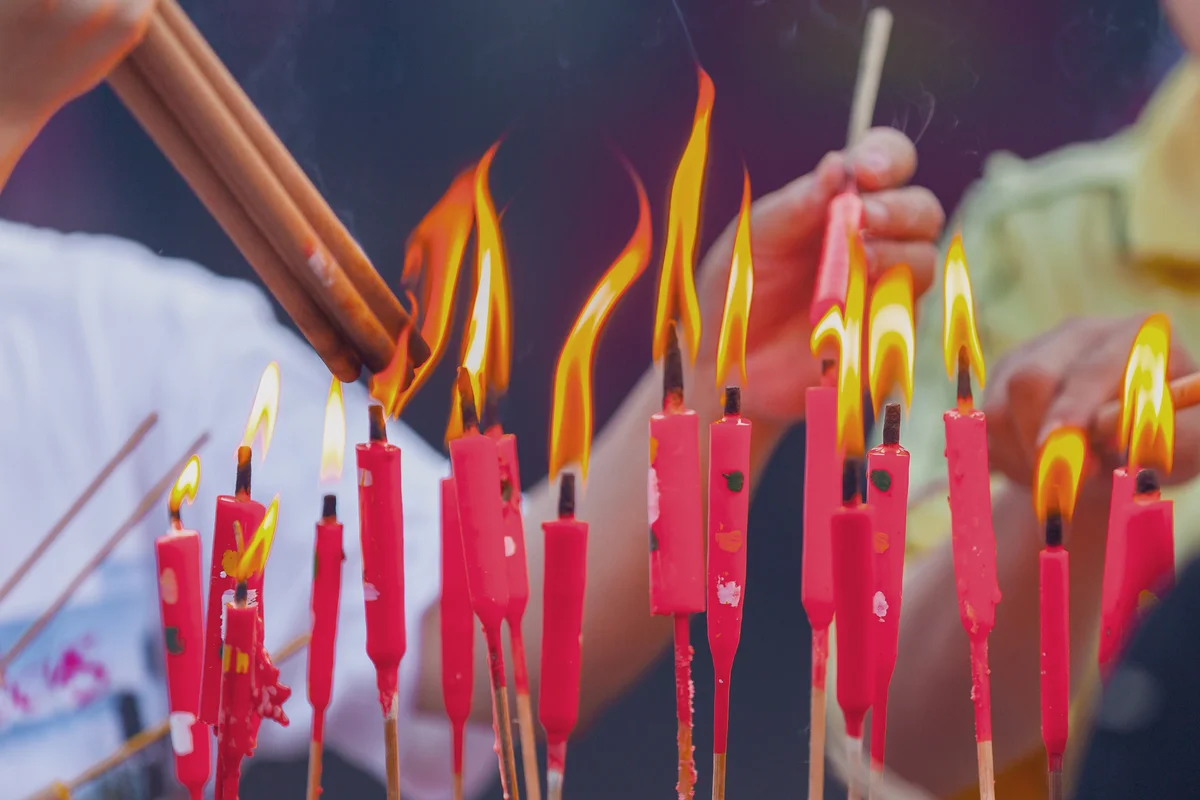
- People light incense, burn money, and leave other offerings to appease and show respect for unhappy spirits.
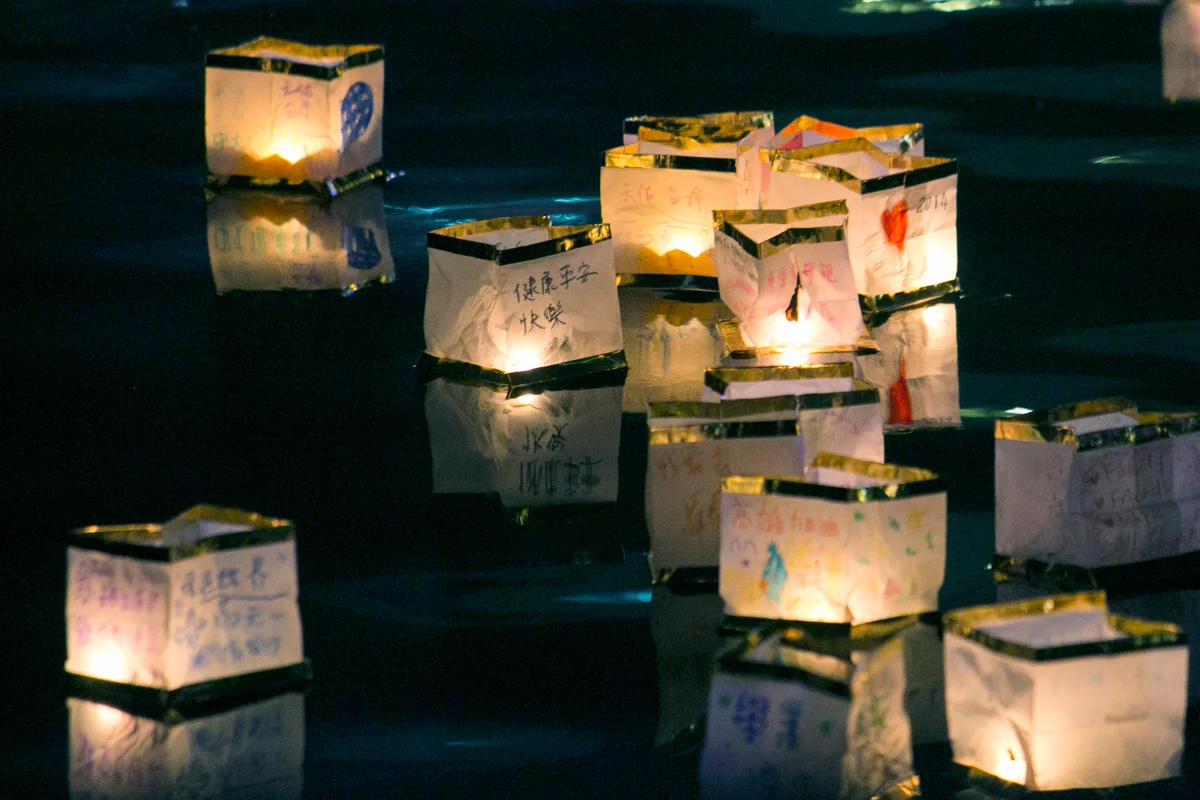
- At the end of Ghost Month, people release lanterns and paper boats into the water to guide the spirits back toward the lower realm.
- Qingming loosely translates to tomb sweeping in English.
- The Qingming Festival is a traditional Chinese holiday where people clean the tombs of loved ones who have passed away.
- Qingming is usually celebrated 15 days after the Spring Equinox, which typically falls near the beginning of April in the Chinese lunar calendar.
- During Qingming, people leave offerings for the dead, fly kites, spend time in nature, and eat special foods.
- Over time, the Qingming Festival and the Hanshi Cold Food Festival have come to be celebrated at the same time.
- During that period, people only eat cold food and refrain from using fire or heat.
- The cold-food custom honors a man named Jie Zitui, a loyal servant of Duke Wen of Jin, who was accidentally killed in a fire around 771 BC.
- The Qingming Festival centers on showing respect for loved ones who have passed away and lets families reconnect with ancestors through offerings and efforts to make their final resting place peaceful.
- The Double Ninth Festival is a traditional Chinese holiday celebrated on the ninth day of the ninth month of the Chinese lunar calendar.
- The Double Ninth Festival is also referred to as the Chongyang Festival, or, as of 1989, the Senior's Festival.
- The Double Ninth Festival signals the transition from summer to autumn.
- Long ago, farmers worshipped a bright star named Antares that they used to keep track of days and the seasons for their crops; it appeared in summer and disappeared in the fall.
- The Double Ninth Festival offers the star Antares a warm send-off.
- During the Double Ninth Festival, people climb mountains, eat special Chongyang cakes, and drink chrysanthemum wine to celebrate the start of fall.
- The Double Ninth Festival is used to honor elders in the community.
- People in China can still celebrate Halloween on their own with creativity and Halloween spirit.
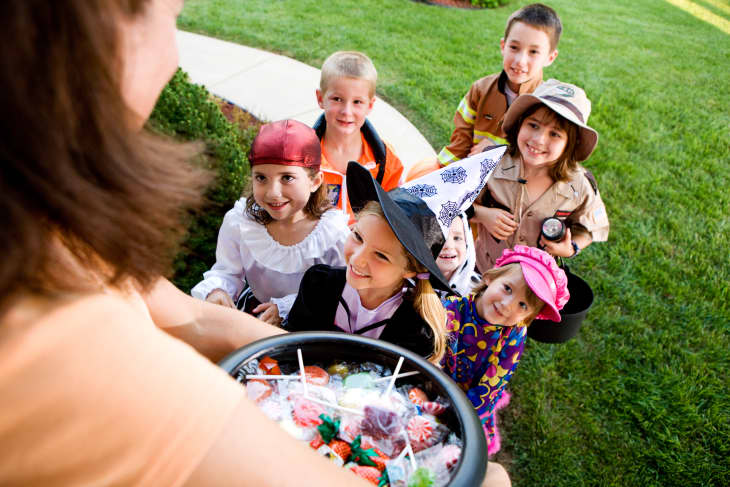
- An indoor trick-or-treat scavenger hunt can be set up with a list of clues leading to candies hidden around the house, with kids encouraged to wear costumes.
- Areas near universities or popular with tourists are more likely to have Halloween decorations in stores, restaurants, and bars.
- Some areas have dress-up nights in bars and restaurants at the end of October, though these may not be kid-friendly.
- Pumpkins are available in China year-round, so pumpkin carving can be done at home.
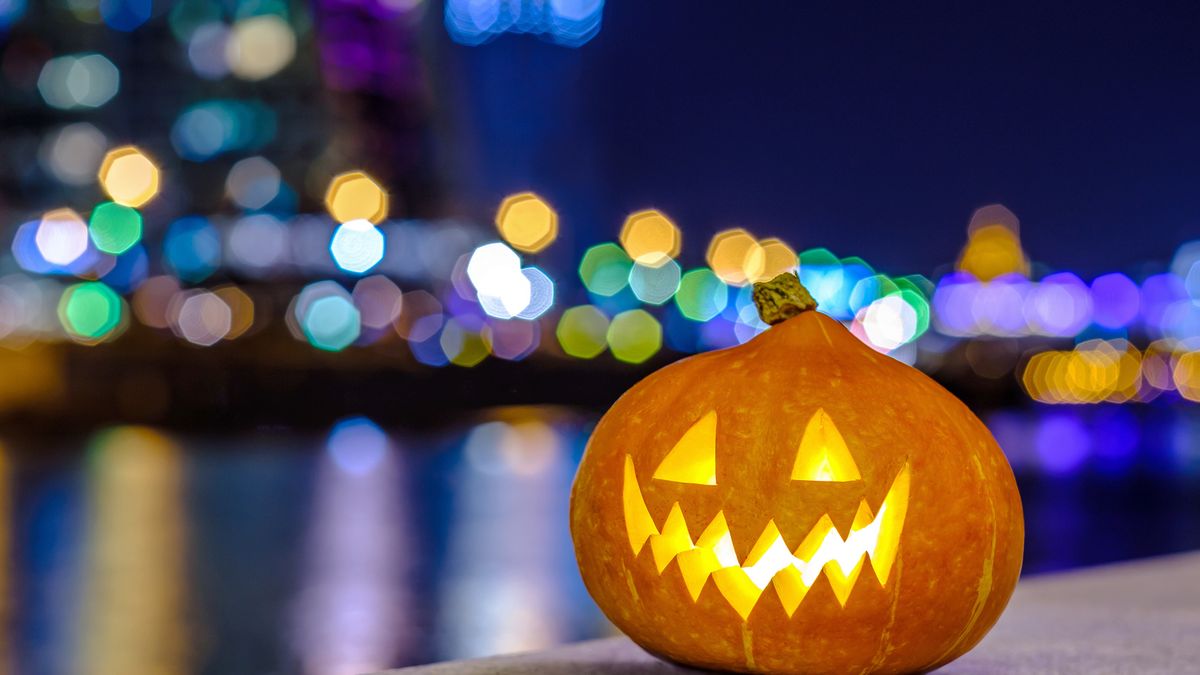
- A pumpkin carving contest can be held to see who creates the spookiest or silliest jack-o'-lantern.
- Kids too young to carve can decorate pumpkins with paint, glitter, stickers, and construction paper.
- Hollowed-out pumpkins' seeds can be baked afterward for a snack.
- Bobbing for apples is a Halloween tradition invented hundreds of years ago and requires only a large bowl, water, and some apples.
- Apple bobbing can be done indoors or outdoors; indoors, towels should be set under the bowl to catch spilled water.
- Players try to grab an apple using only their mouth, and afterward the family can make candy or caramel-covered apples.
From the original
The article explains that Halloween is not a Chinese holiday and that most people in China do not observe it; only a small minority, largely tourists and international students at Chinese universities, take part. Because of that, celebrations cluster near universities and in high-tourism cities such as Beijing, Shanghai, and Guangzhou, and they tend to be milder than American haunted houses and pumpkin patches. China does, however, have its own days honoring the dead, which carry religious roots and rest on the belief that the boundary between the living and the dead grows thin. The Hungry Ghost Festival, also called the Ghost Festival, falls on the 15th day of the seventh lunar month, roughly July or August, and is a Taoist and Buddhist tradition. Throughout Ghost Month, spirits and ancestors are thought to visit the living; families offer food to hungry ghosts, burn incense and paper money, and leave other offerings, then release lanterns and paper boats to guide the spirits back. Qingming, or tomb sweeping, comes about 15 days after the Spring Equinox, near early April, when families clean graves, leave offerings, fly kites, enjoy nature, and eat special foods; it now overlaps with the Hanshi Cold Food Festival, when only cold food is eaten and fire is avoided, in honor of Jie Zitui. The Double Ninth Festival, on the ninth day of the ninth lunar month and called Chongyang or the Senior's Festival since 1989, marks summer's turn to autumn and honors elders with mountain climbing, Chongyang cakes, and chrysanthemum wine. The article closes with ways to celebrate at home: a trick-or-treat scavenger hunt, visiting tourist or university districts, a pumpkin carving contest, and bobbing for apples.
More photos
Photos hosted by lovetoknow.com.