Folklore & LegendsNo. 5184 · The 2026 edition
Is Halloween the devil's day? - Casting My Net
Dive into the eerie debate: Is Halloween truly the devil's day, or just a misunderstood tradition? Uncover the historical roots and conflicting beliefs.
Our own summary of the original — the full post and photos live at web.archive.org.
Explore the historical origins of Halloween, from ancient Celtic harvest festivals to Christian influences, and examine the arguments for and against its association with devil worship.
About this
A Christian blogger examines whether Halloween is really 'the devil's day' by tracing the holiday's name, customs, and church history through online research. The page summarizes the origins of All Saints Day, costumes, trick-or-treating, and jack-o-lanterns, then argues from Ephesians 6:13 and the Reformation that October 31 holds no special evil power. It closes with six do/don't recommendations for Christian readers and a short reference list.
Facts from the original
- As a child, the author went trick or treating, wore costumes, and attended Halloween parties at her conservative, Bible-teaching evangelical church.
- The first time the author heard murmurings that Halloween was 'the devil's day' was in college in the 1980s.
- Some Christians say they do not use the word 'Halloween' because it is evil, others say they do not celebrate it because it is the 'devil's day', and at least two Christian friends lock their doors on October 31 and go to bed early hoping the day passes quickly.
- The online history of Halloween is sketchy and often conflicting, per the author.
- The early church (pre-Reformation Roman church) set aside May 13 as All Saints Day to remember and pray for the martyred Christian saints.
- Sometime in the early 800's, Pope Gregory III moved All Saints Day to November 1.
- Some say the date was moved to coincide with the dedication of the All Saints Chapel at St. Peter's Basilica in Rome.
- Others say the date changed to coincide with and thereby Christianize the pagan druidic Samhain celebration in the British Isles.
- In England, All Saints Day was known as All Hallows Day.
- Halloween is simply a shortening of All Hallows Even, the night before All Hallows Day.
- The word Halloween is not evil at its origin; the Christian church created it for the evening before the day of prayers for the martyrs and saints.
- In 998, the church added All Souls Day as a day to remember and pray for souls in purgatory.
- Several Catholic sources online suggested that since the church remembered saints in heaven on Nov. 1 and those 'not quite there yet' in purgatory on Nov. 2, they also thought at this time of those damned to hell, probably on October 31.
- Reminders of hell and its tortures brought about some of the traditions seen in Halloween today.
- Wearing costumes has been linked to the danse macabre (dance of death) of the medieval church in France, in which people dressed as skeletons and other grisly things to illustrate death, the fate of all mankind.
- Wearing costumes has also been linked to the Guy Fawkes Day celebration in England on Nov. 4, which involved wearing masks and costumes.
- An article the author read said that during the Celtic festival of Samhain, many pagan adherents believed the boundaries between life and the afterlife were removed on October 31.
- Because of that Samhain belief, many people would put out offerings to appease lost and wandering souls, then hide in their homes hoping the departed souls would not bother them through the night.
- As a way to picture the Christian church triumphant, some Christians dressed up their children as scary things and walked them through the town, as if saying these are just their children in costume and Christians are not afraid of this night.
- Most sources attribute the origins of trick or treat, really developed in America within the last century, to an English practice of going door to door on All Souls Day and begging for treats or 'soul cakes' in return for praying for the souls of loved ones.
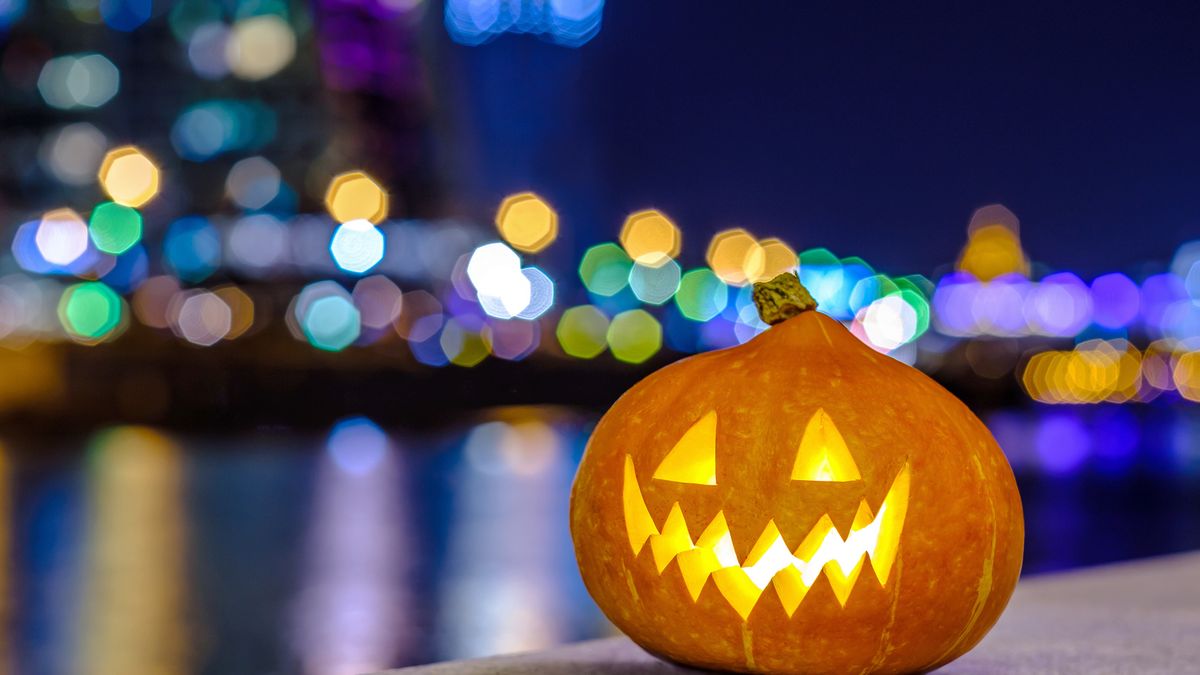
- The carved, lighted pumpkins called jack-o-lanterns came to the United States from Ireland.
- Originally jack-o-lanterns were carved turnips used to scare away evil souls during the Samhain festival.
- The Bible talks about an 'evil day'; Ephesians 6:13 instructs believers to put on the full armor of God to stand in the 'evil day'.
- The 'evil day' in Ephesians 6:13 refers to the current age where evil exists, as opposed to the time after the New Heaven and New Earth when evil will be judged and eternally restrained by God.
- During this evil day, there is not one day especially singled out as more evil than the others.
- Martin Luther nailed his theses on the door of the church in Wittenburg, Germany on October 31, 1517.
- Protestant Christians can rejoice that October 31 was used by the Lord to bring about the Reformation.
- Recommendation: don't be afraid of the word 'Halloween'—it comes from the early Christian church and has no inherent evil or sinful power.
- Recommendation: do remember that the gospel of Christ is the power of salvation (Romans 1:16) and use God's powerful words on Halloween and every other day.
- Recommendation: don't consider 'Halloween' the 'devil's day'—the devil has no more power on this day than on any other, though we must still watch for his 'fiery darts'.
- Recommendation: do consider that every day belongs to the Lord, remembering Psalm 118:24: 'This is the day that the Lord has made. We will rejoice and be glad in it.'
- Recommendation: don't hide in fear behind locked doors on this day like the superstitious pagans of old.
- Recommendation: do remember that you belong to the church triumphant, the winning side.
- The page quotes Luke 12:7 ('Do not fear therefore; you are of more value than many sparrows.') and Romans 12:21 ('Do not be overcome by evil, but overcome evil with good.').
- The page links to a separate post with 6 Halloween ministry ideas.
- References listed: The Crossroads Initiative – Halloween; Grace to You.org Christian and Halloween; Christianity Today – Halloween; ucatholic.com The Catholic origins of Halloween.
From the original
The author recalls trick-or-treating and attending Halloween parties as a child at a conservative, Bible-teaching evangelical church, and notes she first heard Halloween called 'the devil's day' while in college in the 1980s. She reports that some Christians avoid the word 'Halloween' as evil, some skip the holiday entirely, and a couple of friends lock their doors and go to bed early on October 31. To answer whether the day is genuinely the devil's day, she did internet research and summarized her findings. First, the name: the early pre-Reformation Roman church kept All Saints Day on May 13 to remember martyred saints; Pope Gregory III moved it to November 1 in the early 800s, possibly to coincide with the dedication of the All Saints Chapel at St. Peter's Basilica or to Christianize the druidic Samhain. In England All Saints Day was All Hallows Day, so 'Halloween' simply shortens All Hallows Even. Second, the traditions: in 998 the church added All Souls Day for souls in purgatory, and some Catholic sources link October 31 to remembrance of the damned, which shaped today's customs. Costumes trace to the medieval French danse macabre, to English Guy Fawkes Day masks, and to Samhain appeasement of wandering souls; some Christians dressed children as scary figures to picture the triumphant church. Trick-or-treating grew in America from an English All Souls Day practice of begging soul cakes in exchange for prayers, and jack-o-lanterns came from Ireland, originally carved turnips used to scare evil souls at Samhain. Third, on evil: Ephesians 6:13's 'evil day' means the present age, not one date, and no day is singled out as more evil. She adds that Martin Luther posted his theses in Wittenburg on October 31, 1517. She ends with do/don't advice: don't fear the word, do rely on the gospel, don't call it the devil's day, do remember every day belongs to the Lord, don't hide in fear, and do remember you belong to the church triumphant.