Trick-or-Treating HistoryNo. 4769 · The 2026 edition
Trick or Treat
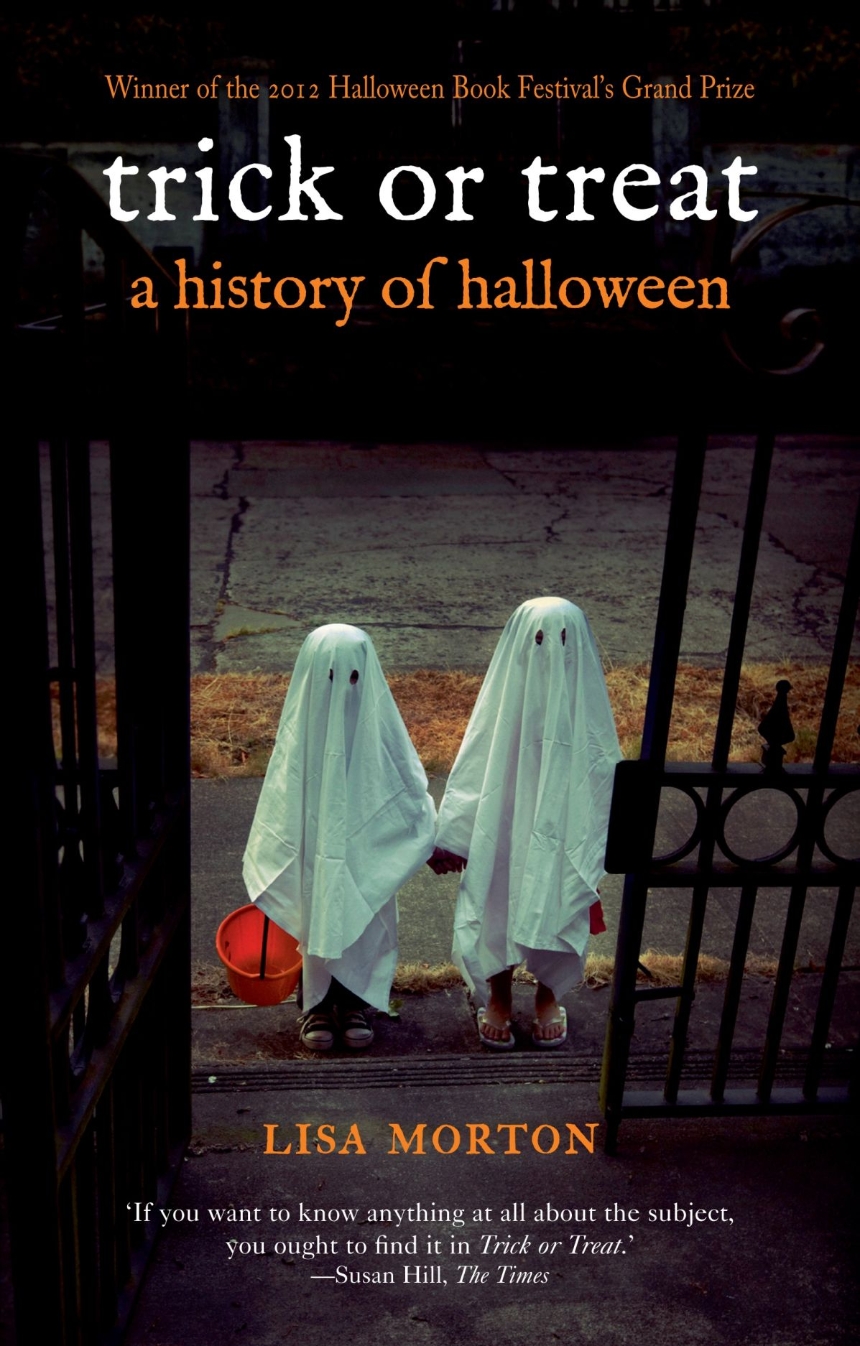
Uncover the surprising journey of Halloween from ancient Celtic rites to a global pop culture phenomenon—with ghostly tales, candy, and costumes along the way.
Our own summary of the original — the full post and photos live at press.uchicago.edu.
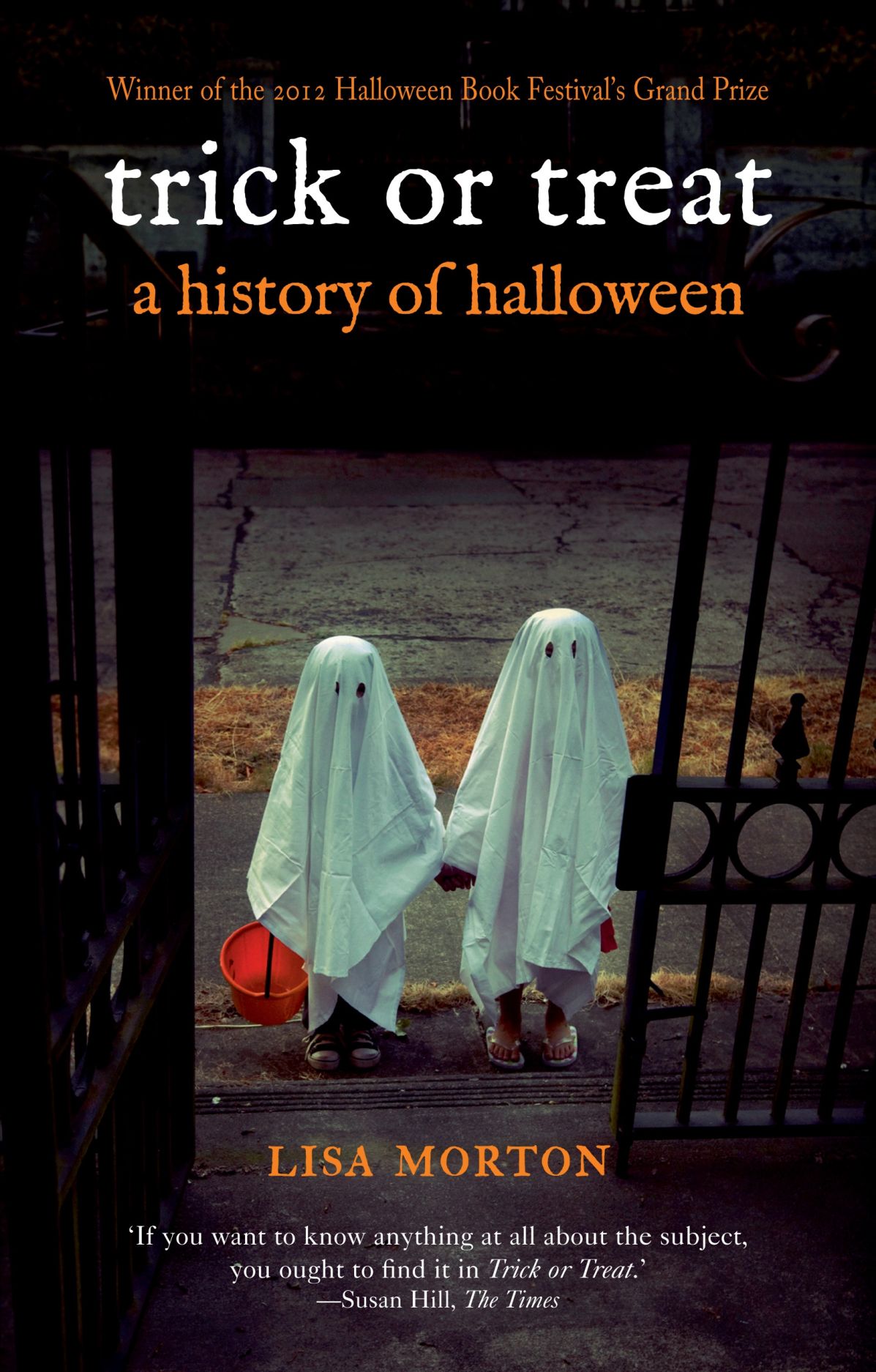
This comprehensive history traces Halloween’s origins from the Celtic festival of Samhain and British Guy Fawkes Day, following its evolution into a commercialized global celebration. It examines the influence of Mexico’s Day of the Dead, the rise of haunted attractions, and Halloween’s deep impact on literature, film, and television.
About this
Book product page for Lisa Morton's Trick or Treat: A History of Halloween, distributed by the University of Chicago Press for Reaktion Books. It presents the book's description, metadata, table of contents, and a series of critical reviews. The page is aimed at readers interested in a scholarly yet accessible history of Halloween.
Facts from the original
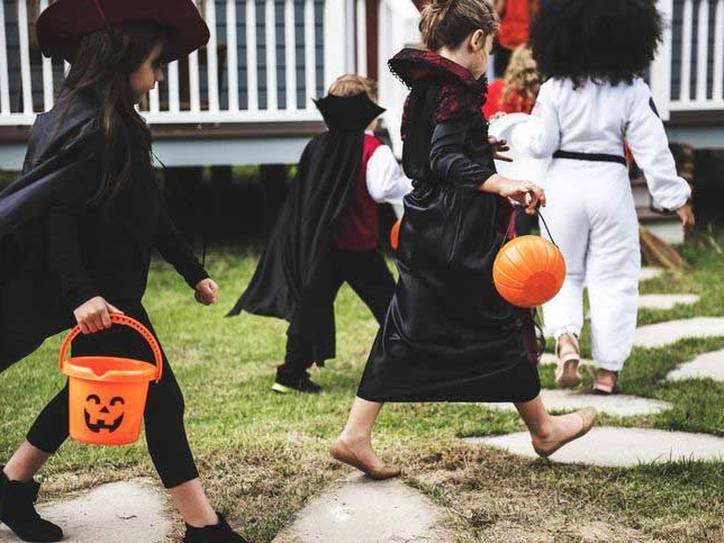
- Halloween celebrants dress as witches, demons, animals, celebrities, and more.
- They carve pumpkins, play pranks, watch scary movies, and go on ghost tours.
- Celebrations include parades, fireworks displays, cornfield mazes, haunted houses, and bite-sized candy.
- Halloween's popularity has spread to places as diverse as Russia, China, and Japan.
- Halloween's association with death and the supernatural, plus its commercialization, has made it one of our most misunderstood holidays.
- Lisa Morton is a Halloween aficionado.
- The book provides a thorough history of Halloween.
- Celtic Samhain, a Gaelic harvest festival, blended with British Guy Fawkes Day and Catholic All Souls' Day to produce the modern Halloween.
- Halloween was reborn in America, where costumes and trick-or-treat rituals became new customs.
- The book takes into account the influence of related but independent holidays, especially the Mexican Day of the Dead.
- The book examines the explosion in popularity of haunted attractions.
- The book discusses the impact of events such as 9/11 and the economic recession on Halloween celebrations today.
- The book examines Halloween's effect on popular culture through Washington Irving and Ray Bradbury, films like Halloween and The Nightmare Before Christmas, and TV shows such as Buffy the Vampire Slayer and The Simpsons.
- This is the first time the holiday is considered in the context of its worldwide popularity.
- The book has 232 pages, 20 color plates, 20 halftones, dimensions 5 1/2 x 8 1/2, and copyright 2012.
- Subject category: History: General History.
- ISBN 9781780231877.
From the original
Trick or Treat: A History of Halloween by Lisa Morton is a 232-page book published in 2012 by Reaktion Books and distributed by the University of Chicago Press. Morton, described as a Halloween aficionado, offers a thorough history of the holiday. She traces how the Celtic Samhain, a Gaelic harvest festival, merged with British Guy Fawkes Day and the Catholic All Souls' Day to shape modern Halloween. The book explains how Halloween was reborn in America, where costumes and trick-or-treating became new customs. It also considers related but independent holidays, particularly the Mexican Day of the Dead, and examines the rise of haunted attractions. Morton discusses how events such as 9/11 and the economic recession affected contemporary celebrations. The book further explores Halloween's impact on popular culture through literary works by Washington Irving and Ray Bradbury, films like Halloween and The Nightmare Before Christmas, and television shows such as Buffy the Vampire Slayer and The Simpsons. The page notes that this is the first time the holiday is considered in the context of its worldwide popularity, which has spread to places including Russia, China, and Japan. It includes 20 color plates and 20 halftones, and its table of contents ranges from British Isles traditions to global celebrations and popular culture.
More photos
Photos hosted by press.uchicago.edu.