Trick-or-Treating HistoryNo. 2098 · The 2026 edition
Why Do We Say “Trick or Treat” on Halloween?
Ever wondered where the iconic Halloween phrase "trick or treat" comes from? Uncover the surprising history behind this spooky tradition.
Our own summary of the original — the full post and photos live at mentalfloss.com.
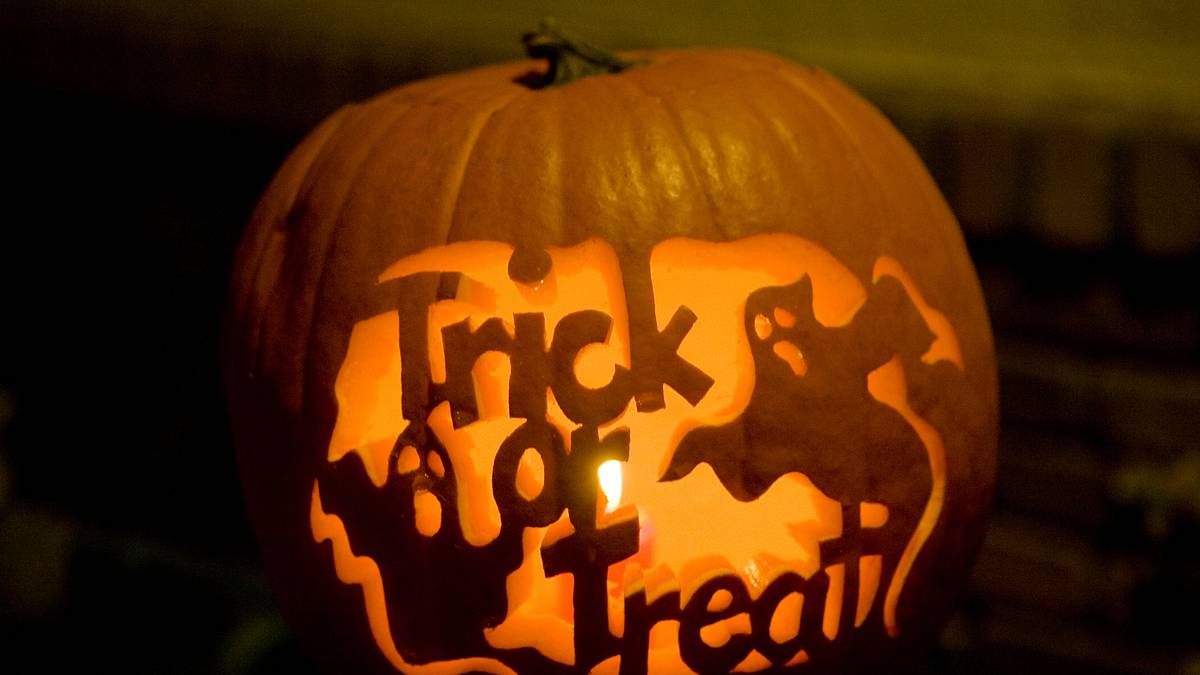
The phrase "trick or treat" has roots in ancient Celtic festivals and medieval practices like souling, where people would exchange prayers for food. Over time, it evolved into a playful threat to avoid pranks, becoming the Halloween staple we know today.
About this
The page traces the origins of the Halloween phrase “trick or treat,” from 19th-century Irish and Scottish mischief and older treat-begging customs such as souling and guising to the phrase's earliest written appearances in Canadian newspapers in the 1920s. It follows the tradition through the Great Depression, wartime sugar rationing, and its 1950s revival with help from Peanuts and a Donald Duck cartoon. Written by Ellen Gutoskey and dated Oct 15, 2025.
Facts from the original
- In the 19th century, Irish and Scottish children celebrated Halloween by causing mostly harmless havoc on their neighbors.
- Their pranks included blowing cabbage smoke through a keyhole to stink up someone's house and frightening passersby with turnips carved to look ghoulish.
- According to History.com, children kept up the annual mischief after immigrating to the U.S., and Americans readily co-opted the tradition.
- U.S. Halloween pranks evolved from toppled outhouses and trampled vegetable gardens into more violent acts.
- A Kansas woman nearly died in a car crash after children rubbed candle wax on streetcar tracks.
- Halloween pranks escalated during the Great Depression.
- In the Middle Ages, for All Souls' Day, people went door-to-door offering prayers for the dead in exchange for food or money, a tradition called souling.
- A similar 19th-century Scottish custom, guising, involved exchanging jokes or songs for goodies.
- It is not proven that modern treat-begging is directly derived from souling or guising.
- Visiting neighbors for an edible handout around Halloween has existed in some form for centuries.
- Based on the earliest known written references to “trick or treat,” the phrase may have been coined in Canada during the 1910s or 1920s.
- Merriam-Webster reports that a Saskatchewan newspaper mentioned the words together in a 1923 article, which said: “Hallowe'en passed off very quietly here. ‘Treats’ not ‘tricks’ were the order of the evening.”
- By 1927, young trick-or-treaters had adopted the phrase themselves.
- Alberta's Lethbridge Herald reported in 1927 that “the youthful tormentors were at back door and front demanding edible plunder by the word ‘trick or treat.’”
- The phrase appeared in Michigan's Bay City Times the following year (1928), describing children who uttered “the fatal ultimatum ‘Tricks or treats!’” to blackmail neighbors into handing out sweets.
- Sugar rationing brought trick-or-treating to a temporary halt during World War II.
- The tradition and the phrase had regained popularity by the early 1950s, with some help from candy companies and beloved pop culture characters.
- Charles Schulz depicted the Peanuts gang cavorting around town in costume in a 1951 Halloween comic strip.
- Huey, Dewey, and Louie went trick-or-treating in a 1952 Donald Duck cartoon titled Trick or Treat.
- The “treat” part of the phrase has thoroughly overtaken the “trick” part.
- The article is by Ellen Gutoskey, dated Oct 15, 2025; a version of the story ran in 2020 and was updated for 2025.
From the original
The Halloween catchphrase “trick or treat” grew out of centuries of door-to-door Halloween customs. In the 19th century, Irish and Scottish children marked the holiday with mostly harmless mischief—blowing cabbage smoke through keyholes to stink up a neighbor's house and carving turnips into ghoulish faces to frighten passersby. Immigrants carried the pranking tradition to the United States, where it turned more destructive and sometimes violent; one Kansas woman nearly died in a car crash after children rubbed candle wax on streetcar tracks, and the pranks worsened during the Great Depression. Treat-begging had older precedents: medieval souling, in which people prayed for the dead in exchange for food or money on All Souls' Day, and 19th-century Scottish guising, where jokes or songs earned goodies. It isn't proven that modern treat-begging descends directly from either custom, but visiting neighbors for an edible handout at Halloween has existed for centuries. The phrase itself likely emerged in Canada in the 1910s or 1920s; a 1923 Saskatchewan newspaper contrasted “treats” with “tricks,” and by 1927 Alberta's Lethbridge Herald described youths demanding “edible plunder by the word ‘trick or treat.’” Michigan's Bay City Times followed in 1928. Sugar rationing paused the practice during World War II, but the tradition and the phrase rebounded by the early 1950s, aided by candy companies and pop culture—Charles Schulz's 1951 Peanuts Halloween strip and the 1952 Donald Duck cartoon Trick or Treat.
More photos
Photos hosted by mentalfloss.com.